8 min read • 1,603 words
The Hidden Technology Inside QR Codes
In today’s fast-paced digital landscape, the hidden technology inside QR codes plays a crucial role in how we access information quickly and efficiently. Originally invented in 1994 by Denso Wave, a subsidiary of Toyota, QR codes have evolved into a versatile tool that can store over 4,000 alphanumeric characters. This remarkable capacity allows them to encode various types of data, including URLs, text, and contact information, making them invaluable in marketing and advertising strategies.
As smartphones have become ubiquitous, the ability to scan QR codes without the need for a dedicated app has further enhanced their accessibility. In this article, readers will delve into the intricacies of QR codes, exploring how they work, their applications in various industries, and why understanding this hidden technology is essential for leveraging its full potential in our increasingly connected world.
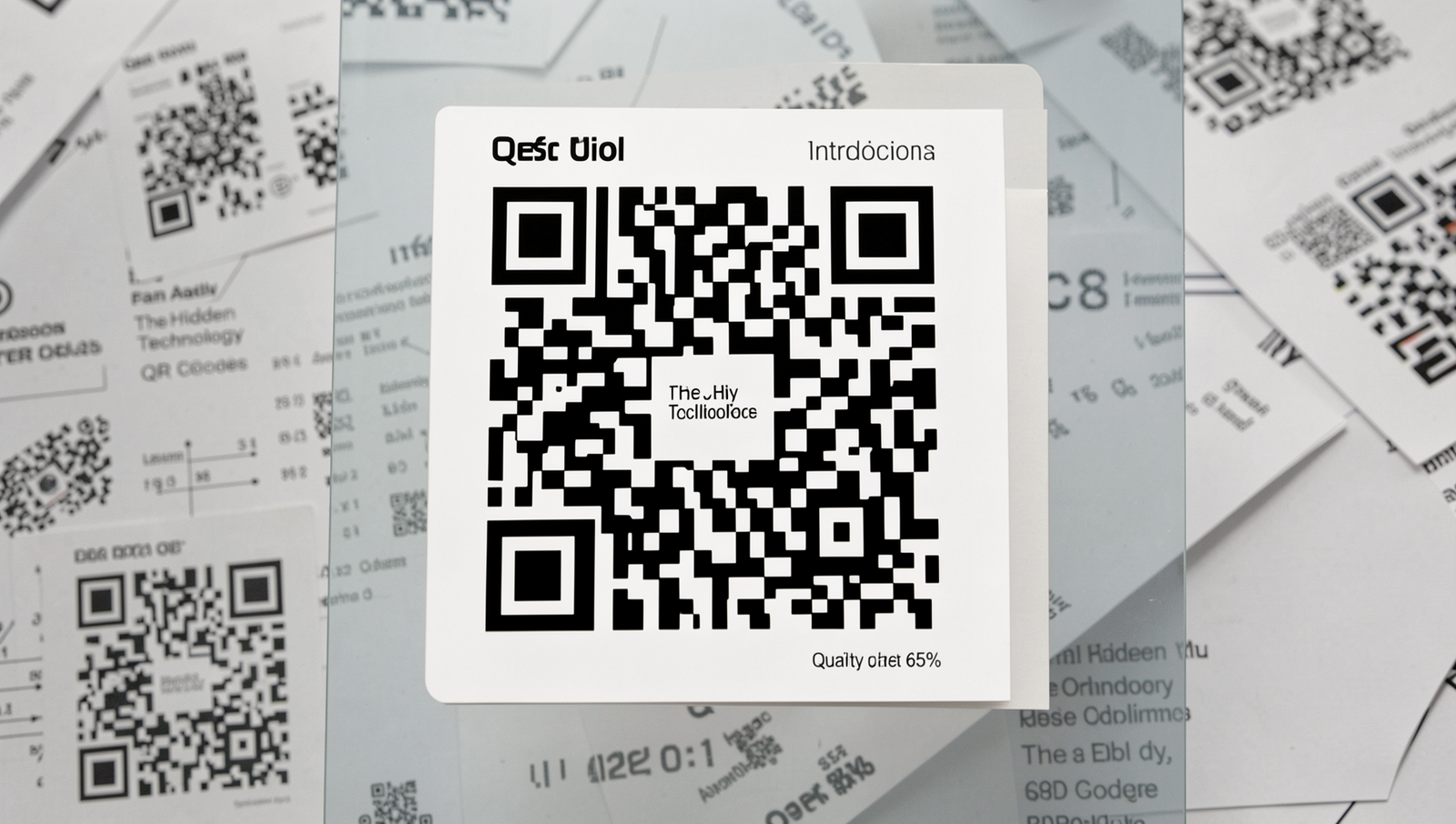
Introduction to QR Codes
QR codes, short for Quick Response codes, are two-dimensional barcodes that can store a significant amount of information compared to traditional one-dimensional barcodes. Developed in 1994 by the Japanese company Denso Wave, QR codes were initially designed for tracking automotive parts during manufacturing. However, their versatility has led to widespread adoption across various sectors.
Unlike traditional barcodes, which can only hold a limited amount of data and require a specific orientation to be scanned, QR codes can store up to 7,089 numeric characters and can be scanned from any angle. This capability makes them more efficient and user-friendly, especially in environments where speed and accuracy are crucial.
Today, QR codes are utilized in numerous industries, including:
- Retail: Customers can scan QR codes to access product information, discounts, and promotions.
- Healthcare: QR codes help in tracking patient information and medication management.
- Marketing: Brands use QR codes in advertisements to direct consumers to websites or social media pages.
- Events: Event organizers employ QR codes for ticketing and check-in processes.
The growth of QR code usage in the digital age has been remarkable. With the rise of smartphones equipped with cameras, scanning QR codes has become a common practice. The COVID-19 pandemic further accelerated this trend, as businesses sought contactless solutions for transactions and information sharing. As a result, the hidden technology inside QR codes continues to evolve, offering innovative ways to connect the physical and digital worlds seamlessly.

Technical Structure of QR Codes
The hidden technology inside QR codes is fascinating and complex, comprising several key components that work together to store and retrieve information efficiently. A QR code is made up of various elements, including modules, a quiet zone, and format information.
- Modules: These are the small black and white squares that make up the QR code. Each module represents a binary digit, with black squares indicating a ‘1’ and white squares indicating a ‘0’.
- Quiet Zone: This is the empty space surrounding the QR code. It is crucial for the scanner to distinguish the code from its background, ensuring accurate reading.
- Format Information: This section contains data about the error correction level and the mask pattern used in the QR code, which helps in decoding the information correctly.
Encoding data in QR codes involves converting information into a binary format. This can include alphanumeric characters, binary data, or even Kanji characters. The QR code uses a specific encoding mode depending on the type of data being stored, which optimizes space and readability.
Error correction is another vital aspect of QR codes. There are four levels of error correction: L, M, Q, and H, with ‘L’ allowing for the least error correction and ‘H’ the most. This feature enables QR codes to be scanned accurately even if they are partially damaged or obscured.
Moreover, QR codes come in different versions and sizes, ranging from Version 1 (21×21 modules) to Version 40 (177×177 modules). Each version increases the capacity for data storage, accommodating more information as the size of the code grows. Understanding these components reveals the hidden technology inside QR codes that makes them such a versatile tool in today’s digital landscape.

How QR Codes Work
QR codes, or Quick Response codes, are a fascinating blend of technology and functionality, serving as a bridge between the physical and digital worlds. The scanning process begins when a camera, typically on a smartphone, captures an image of the QR code. The camera’s sensor detects the pattern of black and white squares, which represent encoded data. This image is then processed by the device’s software, which decodes the information contained within the QR code.
The role of QR code readers and apps is crucial in this process. Most smartphones come equipped with built-in QR code scanning capabilities within their camera apps. Alternatively, users can download dedicated QR code reader applications. These apps utilize algorithms to interpret the patterns in the QR code and convert them into usable data, such as URLs, text, or contact information.
Once the QR code is scanned and decoded, the next step involves data retrieval and processing. For instance, if the QR code links to a website, the app will automatically redirect the user’s browser to that URL. This seamless transition from scanning to accessing information exemplifies the hidden technology inside QR codes, making it incredibly user-friendly.
- Security features are integral to QR codes, especially in sensitive applications like mobile payments.
- Many QR codes incorporate encryption, ensuring that the data they contain is protected from unauthorized access.
- Dynamic QR codes can be updated with new information without changing the code itself, enhancing security and flexibility.
In conclusion, the hidden technology inside QR codes not only facilitates quick access to information but also incorporates essential security measures, making them a versatile tool in today’s digital landscape.

Future Trends and Innovations in QR Code Technology
The hidden technology inside QR codes is evolving rapidly, paving the way for exciting future trends and innovations. One of the most significant advancements is the integration of QR codes with augmented reality (AR) and virtual reality (VR). This fusion allows users to scan a QR code and instantly access immersive experiences, such as virtual tours or interactive advertisements. For example, a museum could use QR codes to provide AR experiences that enhance the visitor’s understanding of exhibits.
Another area where QR codes are making a substantial impact is in contactless payments and digital marketing. With the rise of mobile wallets, QR codes facilitate seamless transactions without the need for physical contact. Businesses can leverage this technology to create targeted marketing campaigns. For instance, a restaurant could place QR codes on tables that link to special offers or menus, allowing customers to order directly from their smartphones.
Advancements in QR code design and customization are also noteworthy. Businesses can now create visually appealing QR codes that align with their branding, making them more engaging for consumers. Custom QR codes can include logos, colors, and unique shapes, enhancing brand recognition and encouraging scans.
However, the increasing use of QR codes raises important concerns regarding privacy and data security. As more users scan codes, the potential for data breaches and misuse of personal information grows. It is essential for businesses to implement robust security measures and educate consumers about safe scanning practices to protect their data.
- Integration with AR and VR for immersive experiences
- Facilitation of contactless payments
- Enhanced digital marketing strategies
- Customizable designs for brand alignment
- Concerns regarding privacy and data security
Conclusion
The hidden technology inside QR codes has revolutionized the way we interact with the digital world. By seamlessly bridging the gap between physical and digital environments, QR codes enable users to access information quickly and efficiently. Their ability to store vast amounts of data in a compact format makes them invaluable for businesses, marketers, and consumers alike. The integration of QR codes into everyday activities, from payments to product information, showcases their versatility and practicality.
As we move forward, the potential for QR codes continues to expand. With advancements in augmented reality and mobile technology, the hidden technology inside QR codes is likely to evolve further, offering even more interactive and engaging experiences. Businesses should consider adopting QR codes in their marketing strategies to enhance customer engagement and streamline operations. Embracing this technology not only improves efficiency but also positions companies at the forefront of innovation in an increasingly digital landscape.
Frequently Asked Questions

What is a QR code?
A QR code, or Quick Response code, is a two-dimensional barcode that can store information such as URLs, text, or contact details. It can be scanned using a smartphone camera, allowing for quick access to the encoded data. QR codes are widely used for various applications.

How do QR codes work?
QR codes work by encoding data into a pattern of black squares arranged on a white grid. When scanned, the QR code reader interprets the pattern and decodes the information. This process is quick and efficient, making it ideal for instant data retrieval.
What are the uses of QR codes?
QR codes are used in various fields, including marketing, retail, and event management. They can link to websites, provide product information, facilitate payments, and even store tickets. Their versatility makes them a popular choice for businesses and consumers alike.
Are QR codes secure?
While QR codes themselves do not contain sensitive information, they can link to malicious websites if not verified. Users should be cautious when scanning codes from unknown sources. Implementing security measures and using trusted QR code generators can enhance safety.