8 min read • 1,629 words
Table of Contents
ToggleThe Truth Behind Phantom Notifications
Phantom notifications are a common yet perplexing issue that many smartphone users encounter. These alerts appear on devices without any corresponding messages, leading to confusion and frustration. Understanding the phenomenon of phantom notifications is essential, as it can significantly impact user experience and trust in technology. This article delves into the causes of these elusive notifications, which often stem from software glitches, app bugs, or device malfunctions. Users frequently report an increase in phantom notifications following software updates or new app installations, making it a relevant topic for anyone looking to optimize their device’s performance.
In this article, readers will learn about the underlying reasons for phantom notifications and discover practical solutions to mitigate the issue. For instance, some users have found that uninstalling and reinstalling problematic apps can effectively resolve these annoying alerts. By gaining insight into phantom notifications, users can enhance their device experience and reduce unnecessary distractions.

Understanding Phantom Notifications
Phantom notifications, often referred to as “notification phantomism,” occur when individuals perceive that they have received a notification on their smartphones or other devices, only to find that there is none. This phenomenon has become increasingly prevalent in our technology-driven society, where the constant presence of smartphones and digital communication can lead to heightened sensitivity to notifications. Studies suggest that a significant percentage of smartphone users experience phantom notifications regularly, indicating a widespread issue that affects many individuals.
Several psychological factors contribute to the sensation of receiving phantom notifications. One primary factor is the brain’s conditioning to respond to notification sounds and vibrations. Over time, users become accustomed to the frequent alerts, leading their brains to misinterpret other stimuli—such as a vibration from their pocket or a sound in the environment—as a notification.
Smartphone design and user interfaces play a crucial role in the prevalence of phantom notifications. Many devices are equipped with customizable notification settings, allowing users to tailor alerts to their preferences. However, this can lead to an overwhelming number of notifications, making it difficult for users to distinguish between real and phantom alerts. Additionally, the tactile feedback provided by smartphones, such as vibrations, can create a false sense of alertness, prompting users to check their devices even when no notifications are present.
- Conditioning to notification sounds and vibrations
- Influence of anxiety and FOMO
- Smartphone design and customizable settings
In practical terms, individuals can mitigate the effects of phantom notifications by adjusting their notification settings, practicing mindfulness, and taking breaks from their devices. By being aware of the psychological and design factors at play, users can better manage their relationship with technology and reduce the frequency of phantom notifications.
The Science Behind the Sensation
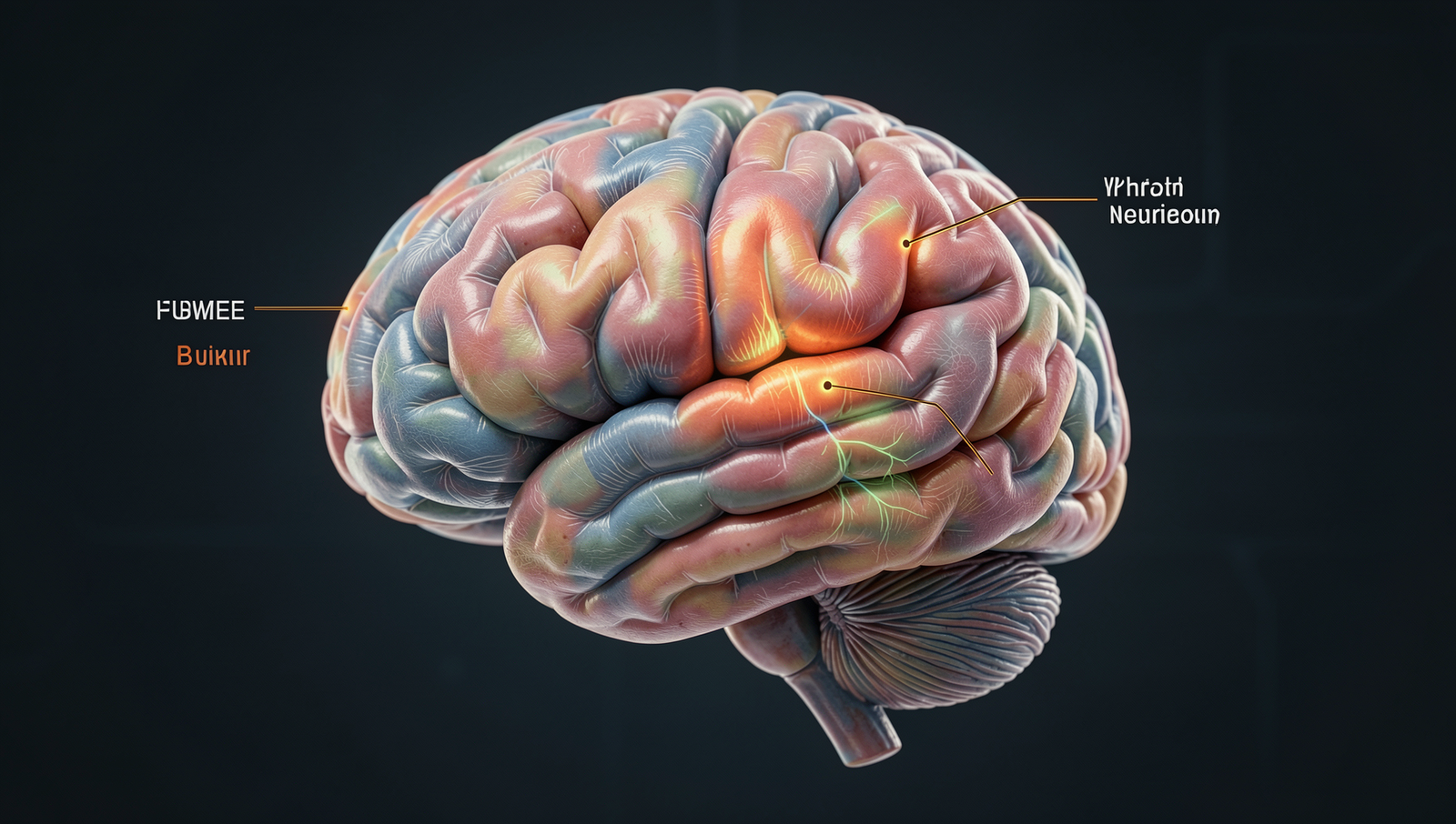
Phantom notifications refer to the phenomenon where individuals believe they have received a notification on their devices, only to find that there is none. This intriguing experience can be explained through various neurological and psychological mechanisms. One key factor is the brain’s tendency to seek patterns and make predictions based on past experiences. When users frequently receive notifications, their brains become conditioned to expect them, leading to false alarms.
Neurologically, the brain’s reward system plays a significant role in this sensation. The anticipation of receiving a notification triggers the release of dopamine, a neurotransmitter associated with pleasure and reward. This release reinforces the behavior of checking devices, creating a cycle where users become increasingly sensitive to the possibility of notifications, even when none exist.
- Intermittent Reinforcement: The concept of intermittent reinforcement is crucial in understanding phantom notifications. When users receive notifications sporadically, it creates a sense of unpredictability that heightens anticipation. This unpredictability can lead to compulsive checking behavior, as users are driven by the hope of receiving a reward.
- Anxiety and Anticipation: Studies have shown a strong correlation between anxiety levels and the experience of phantom notifications. Individuals who are more anxious may be more prone to this phenomenon, as their heightened state of alertness makes them more likely to misinterpret sensory signals.
- Behavioral Conditioning: Over time, the brain becomes conditioned to respond to the cues associated with notifications. This conditioning can lead to a heightened sensitivity to any slight vibration or sound, even in the absence of a real notification.
In practical terms, users can mitigate the effects of phantom notifications by adjusting their notification settings, setting specific times to check their devices, and practicing mindfulness techniques to reduce anxiety. Understanding the underlying science can empower individuals to take control of their digital experiences and reduce the frequency of these phantom sensations.

Implications for Mental Health and Well-being
Phantom notifications, the sensation of receiving alerts that do not actually exist, can significantly contribute to anxiety and stress. This phenomenon often leads individuals to feel a constant sense of urgency, as they frequently check their devices for messages or updates that are not there. The anticipation of notifications can create a heightened state of alertness, which may result in increased anxiety levels. Over time, this can lead to a cycle of stress, as individuals may feel overwhelmed by the need to stay connected.
The impact of constant connectivity on mental health cannot be overstated. With smartphones and social media, individuals are perpetually linked to their digital lives. This connectivity can blur the lines between work and personal time, making it difficult to disconnect and recharge. Research has shown that high levels of screen time and social media use can lead to feelings of inadequacy, depression, and anxiety. The fear of missing out (FOMO) can exacerbate these feelings, as individuals may feel pressured to remain constantly engaged with their online networks.
To manage the effects of phantom notifications, several coping strategies can be employed:
- Limit notifications: Adjust settings on devices to minimize alerts and only receive essential notifications.
- Designate tech-free times: Establish specific periods during the day where devices are put away, allowing for a mental break.
- Practice mindfulness: Engage in mindfulness exercises or meditation to help ground oneself and reduce anxiety.
- Seek support: Talk to friends or mental health professionals about feelings of anxiety related to technology use.
Research findings indicate that the long-term effects of phantom notifications can lead to chronic stress and burnout. Studies have shown that individuals who frequently experience phantom notifications are more likely to report higher levels of anxiety and lower overall well-being. This highlights the importance of recognizing and addressing the psychological implications of our digital habits.
Mitigating Phantom Notifications
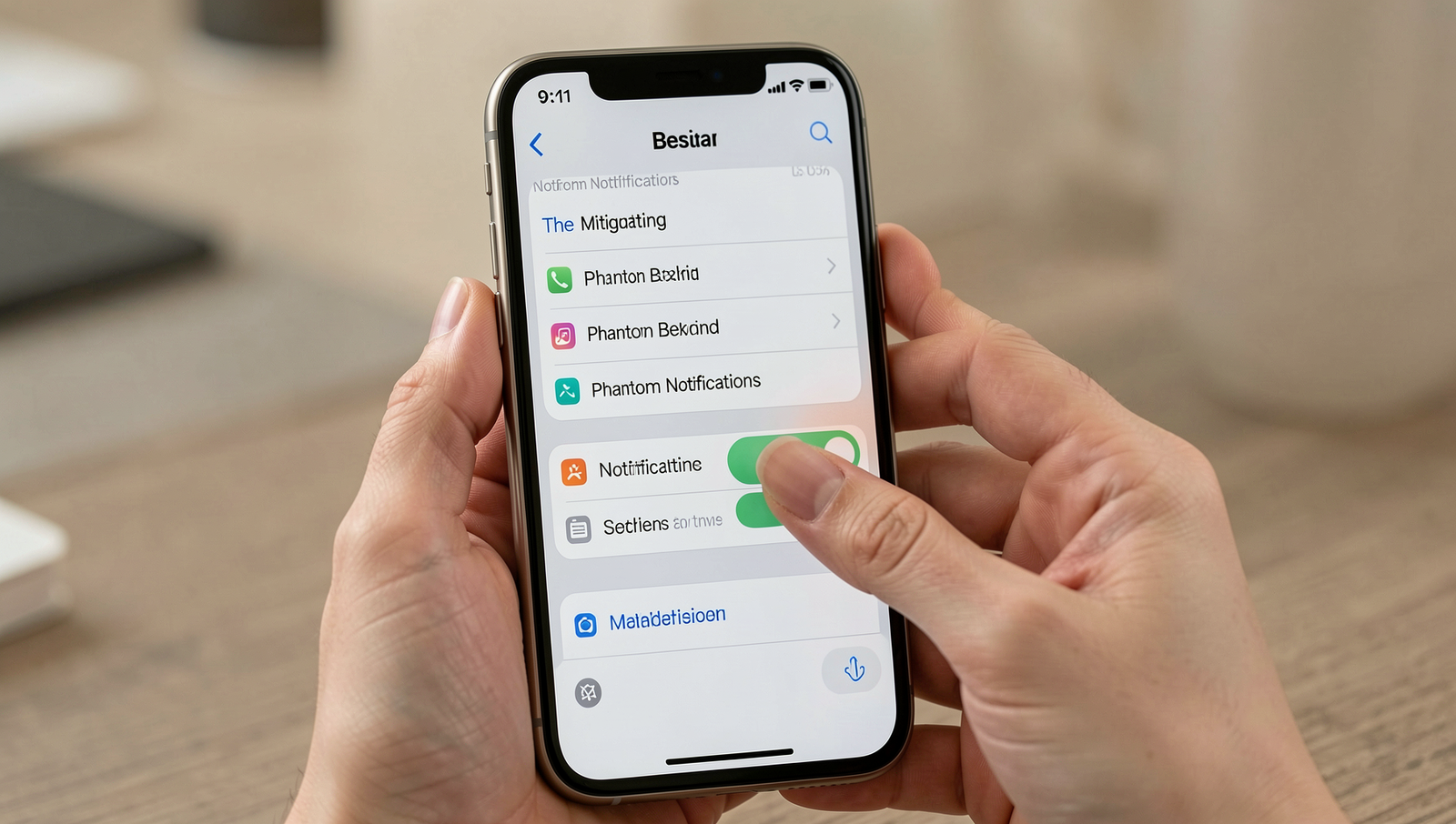
Phantom notifications can be a significant source of distraction and frustration for users. To reduce their occurrence, both users and app developers can take proactive steps. Here are some practical tips for users:
- Adjust Notification Settings: Regularly review and customize notification settings for each app. Disable notifications for non-essential apps to minimize distractions.
- Utilize Do Not Disturb Mode: Activate Do Not Disturb during specific hours to prevent interruptions. This feature allows users to focus on tasks without being disturbed by phantom alerts.
- Update Apps Regularly: Ensure all apps are updated to the latest versions. Developers often release updates that fix bugs related to notification issues.
- Clear Cache and Data: Occasionally clearing the cache and data for apps can resolve glitches that may lead to phantom notifications.
App developers also play a crucial role in addressing the issue of phantom notifications. They can implement features that enhance user experience and reduce the likelihood of these distractions. Some strategies include:
- Improved Notification Management: Developers can create more robust systems for managing notifications, ensuring that only relevant alerts are sent to users.
- Feedback Mechanisms: Incorporating user feedback options can help developers understand the frequency and nature of phantom notifications, allowing for targeted fixes.
- Testing and Quality Assurance: Rigorous testing before app releases can help identify and eliminate bugs that may cause phantom notifications.
Technological solutions also exist to minimize distractions caused by phantom notifications. Features like notification grouping, where similar alerts are bundled together, can help users manage their notifications more effectively. Additionally, machine learning algorithms can be employed to learn user preferences and reduce unnecessary alerts over time.
Future research directions on phantom notifications should focus on understanding the psychological impact of these distractions on users. Studies could explore how phantom notifications affect productivity and mental well-being, leading to more informed design choices by developers.
Conclusion
In summary, phantom notifications are a common phenomenon that many smartphone users experience, leading to unnecessary distractions and anxiety. These notifications often arise from a combination of psychological factors and the design of mobile applications that keep users engaged. Understanding the triggers behind phantom notifications can empower individuals to manage their device usage more effectively. By recognizing that these alerts may not be real, users can reduce their reliance on their devices and focus on more important tasks.
To mitigate the impact of phantom notifications, users can take proactive steps such as customizing notification settings, utilizing “Do Not Disturb” modes, and practicing mindfulness. By implementing these strategies, individuals can enhance their productivity and overall well-being. As technology continues to evolve, staying informed about the implications of phantom notifications will be crucial. Embracing these insights can lead to a healthier relationship with technology and a more balanced lifestyle.
Frequently Asked Questions
What are phantom notifications?
Phantom notifications refer to alerts or messages that appear on your device but do not correspond to any actual notifications. Users often experience these false alerts on smartphones or computers, leading to confusion and frustration, as they check for nonexistent messages.