8 min read • 1,631 words
What Your Phone Reveals Without Location
In today’s digital age, our smartphones serve as more than just communication devices; they are powerful tools that reveal a wealth of information about us. Understanding what your phone reveals can provide insights into your interests, habits, and even emotional state. This article will explore the various types of data your phone collects and how it can paint a comprehensive picture of your life, even without location tracking. By delving into app usage patterns, contact lists, text messages, and browsing history, you will learn how these elements contribute to a deeper understanding of your daily routines and social interactions.
As you read on, you’ll discover the implications of this data collection and why it matters. Recognizing what your phone reveals can empower you to take control of your digital footprint, making informed decisions about privacy and data sharing. Understanding these insights is crucial in a world where personal information is increasingly valuable.
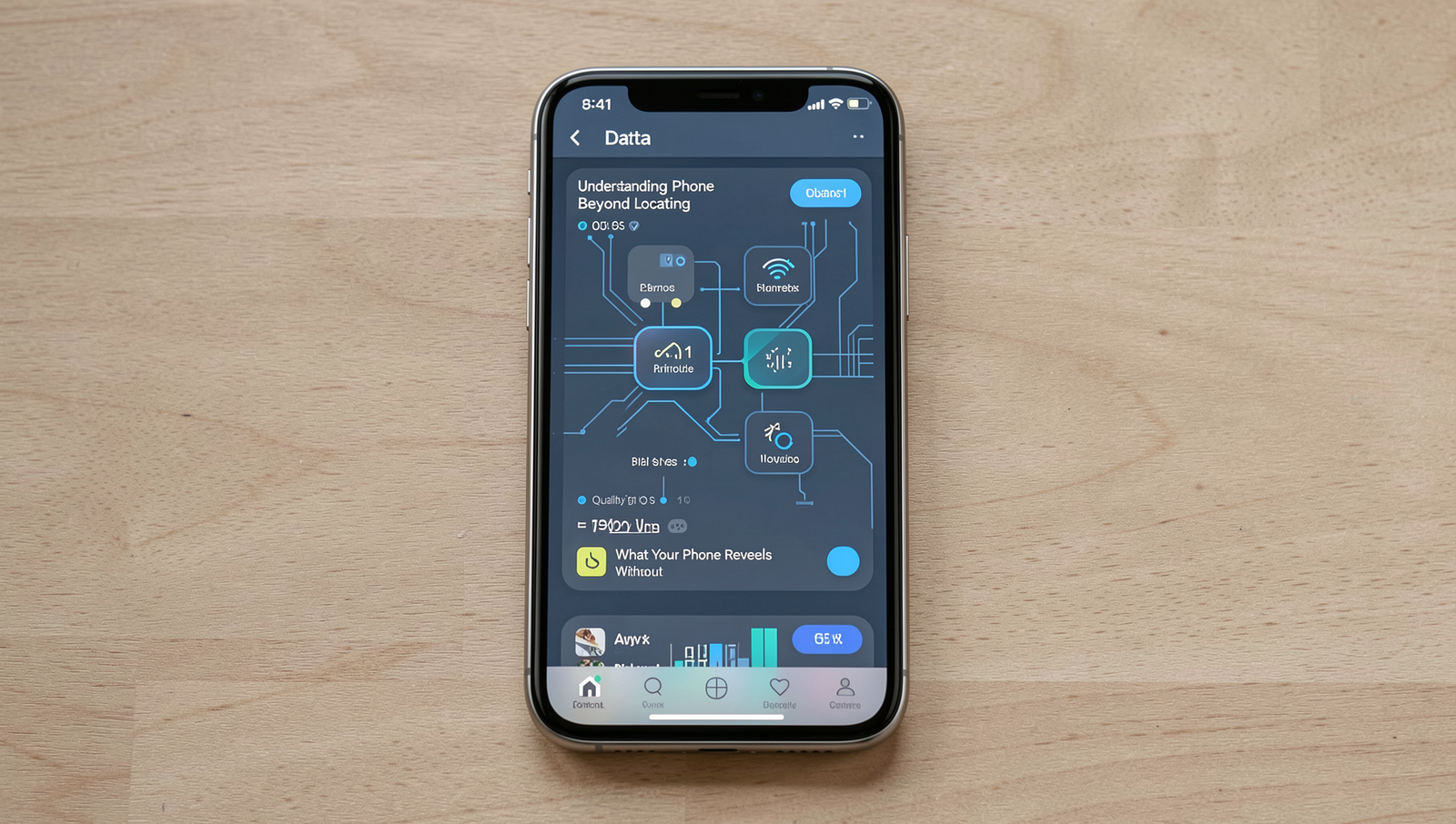
Understanding Phone Data Beyond Location Tracking
Smartphones have become an integral part of our daily lives, serving not only as communication devices but also as powerful tools for data collection. While many users are aware of location tracking capabilities, there is a wealth of other information that smartphones collect, which can reveal much about our habits, preferences, and behaviors. Understanding this data is crucial for grasping the broader implications for privacy and security.
One of the primary types of non-location data collected by smartphones includes:
- Call Logs: Every incoming and outgoing call is recorded, including timestamps and durations. This data can reveal your communication patterns, such as who you talk to most frequently and at what times.
- Messages: Text messages and instant messaging conversations are stored, providing insights into your social interactions and emotional states based on the content of the messages.
- App Usage: Smartphones track which applications are used, how often they are accessed, and the duration of use. This data can indicate your interests, hobbies, and even your daily routines.
This data is aggregated and analyzed by various entities, including app developers, advertisers, and even government agencies. By compiling and interpreting this information, they can create detailed profiles of users, which can be used for targeted advertising or even surveillance.
The implications of such extensive data collection are significant. Users often underestimate the extent of their digital footprints, leading to potential privacy violations. For instance, sensitive information can be exposed if data is mishandled or breached. Furthermore, the aggregation of data can lead to profiling, where individuals are categorized based on their behavior, potentially affecting everything from job opportunities to insurance rates.
In conclusion, what your phone reveals goes far beyond just your location. It encompasses a vast array of personal data that can have profound implications for your privacy and security.
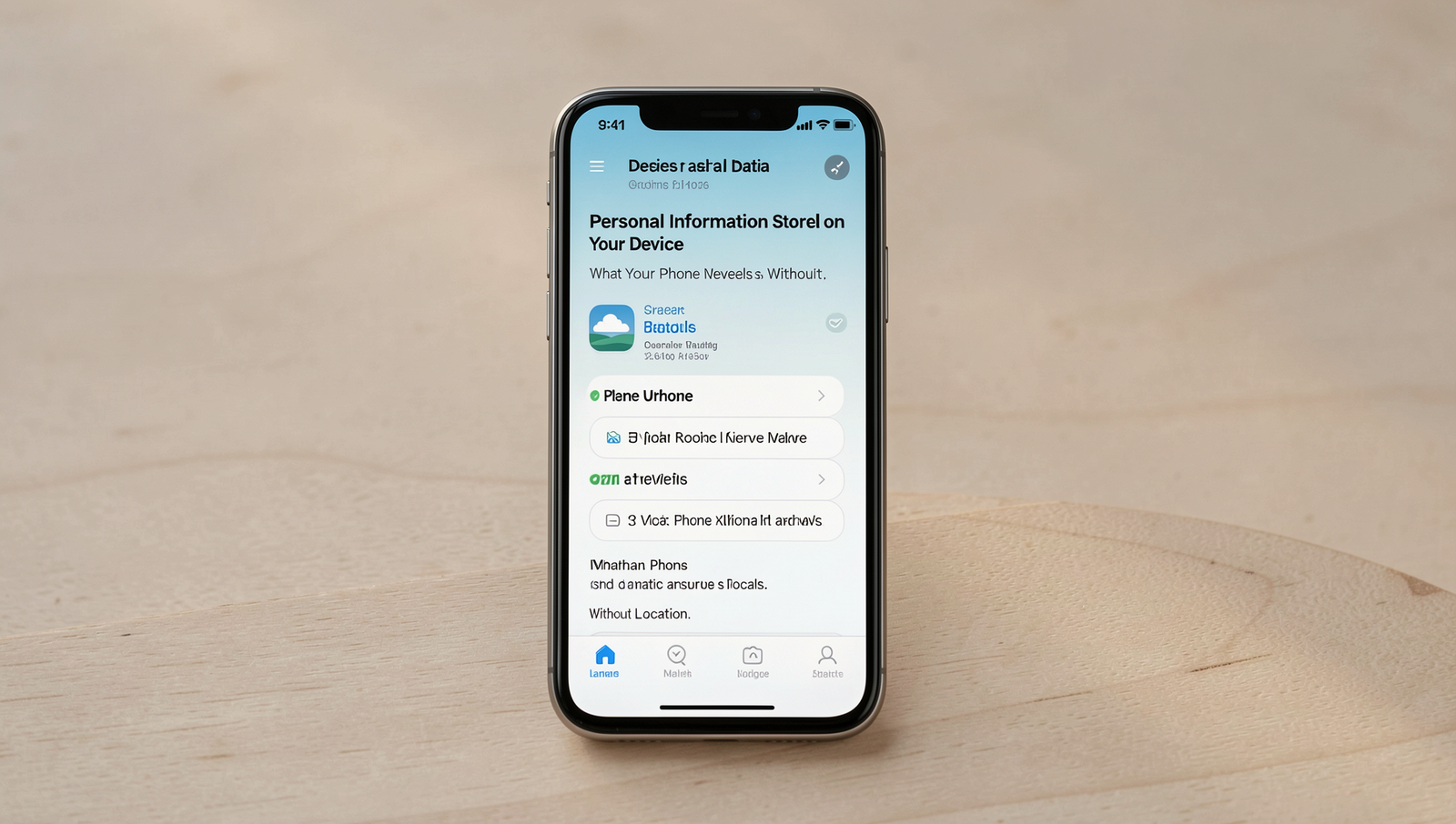
Personal Information Stored on Your Device
In today’s digital age, our smartphones are more than just communication tools; they are repositories of personal information. Even without location services enabled, your phone reveals a wealth of data that can be exploited or misused. Understanding what your phone reveals can help you manage your privacy better.
One of the most significant sources of personal information is your contact lists and personal identifiers. Every contact you save on your device includes names, phone numbers, email addresses, and sometimes even physical addresses. This information can be accessed by various apps, leading to potential privacy breaches. For instance, if a third-party app requests access to your contacts, it can gather a substantial amount of data about your personal and professional relationships.
Another critical aspect is the photos and videos stored on your device. Each image or video file often comes with metadata, which includes details such as the date and time the media was created, the device used, and even GPS coordinates if location services were active at the time. This metadata can provide insights into your daily life, routines, and locations you’ve visited. For example, a simple vacation photo can reveal not just where you were, but also when you were there, offering a timeline of your activities.
Health data from fitness apps and wearables is another area of concern. Many people use devices to track their physical activity, heart rate, and sleep patterns. This data can be incredibly revealing, offering insights into your health and lifestyle choices. If this information falls into the wrong hands, it could be used against you in various ways, such as in insurance assessments or employment decisions.
Lastly, social media interactions and digital footprints contribute significantly to what your phone reveals. Every post, like, and comment you make is stored and analyzed, creating a detailed profile of your interests, beliefs, and social circles. This data can be used for targeted advertising or even manipulated for more nefarious purposes.
- Contact lists: Names, numbers, and emails.
- Photos and videos: Metadata revealing time and location.
- Health data: Insights into your physical well-being.
- Social media: Detailed profiles based on interactions.
Being aware of what your phone reveals is the first step towards protecting your privacy in an increasingly interconnected world.
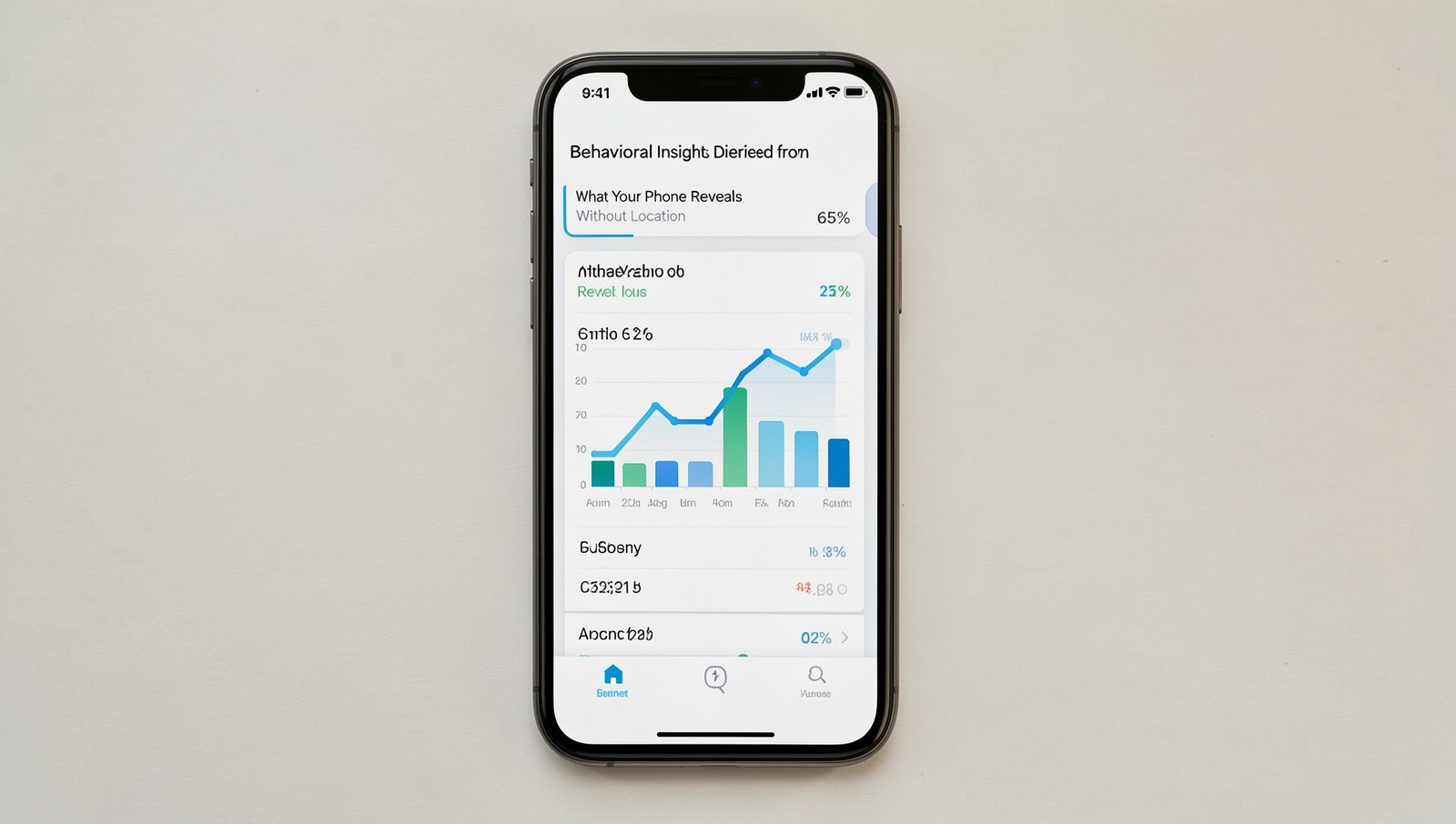
Behavioral Insights Derived from Phone Usage
Our smartphones are powerful tools that provide a wealth of information about our behaviors and habits, even without relying on location data. By analyzing patterns in app usage and screen time, we can gain valuable insights into our daily routines and preferences. For instance, if a user spends a significant amount of time on social media apps, it may indicate a strong inclination towards social interaction or a need for validation. Conversely, high screen time on productivity apps could suggest a focus on work or personal development.
Moreover, communication habits and social interactions can be assessed through the frequency and type of messages sent. For example, a user who frequently communicates via text or messaging apps may be more socially active, while someone who primarily uses email might be more focused on professional interactions. These patterns can reveal not only the user’s social circles but also their preferred modes of communication, highlighting the importance of understanding how we connect with others.
- Notification Impact: The way users respond to notifications can also provide insights into their behavior. Frequent interruptions from alerts may lead to decreased productivity, while users who manage notifications effectively may demonstrate better focus and time management.
- Usage Trends: Predictive analytics based on usage trends can forecast future behaviors. For example, if a user consistently increases their time spent on fitness apps, it may indicate a growing commitment to health and wellness.
In conclusion, what your phone reveals goes beyond mere location tracking. By examining app usage, communication habits, and response to notifications, we can uncover deeper behavioral insights that reflect our lifestyles and priorities. Understanding these patterns can empower individuals to make informed decisions about their technology use and overall well-being.

Risks and Ethical Considerations
In today’s digital age, our smartphones are more than just communication devices; they are repositories of personal information. This raises significant concerns regarding what your phone reveals about you, particularly in terms of risks and ethical considerations.
One of the primary risks associated with smartphones is the potential for data breaches and unauthorized access. Cybercriminals often target mobile devices to exploit vulnerabilities, leading to the theft of sensitive information such as passwords, financial details, and personal messages. For example, a data breach at a popular app could expose millions of users’ data, resulting in identity theft and financial loss.
Moreover, the ethical implications of data monetization cannot be overlooked. Many companies collect and sell user data to third parties without explicit consent. This practice raises questions about user privacy and the extent to which individuals are aware of how their information is being used. For instance, a social media platform may track user behavior and sell this data to advertisers, often without clear disclosure.
User consent and transparency issues further complicate the landscape. Many users unknowingly agree to extensive data collection practices when they accept terms and conditions. These documents are often lengthy and filled with legal jargon, making it difficult for users to fully understand what they are consenting to. This lack of transparency can lead to a breach of trust between users and service providers.
To mitigate these risks, individuals can adopt several strategies for protecting their personal data:
- Regularly update software and apps to patch security vulnerabilities.
- Utilize strong, unique passwords and enable two-factor authentication.
- Review app permissions and limit access to sensitive information.
- Use virtual private networks (VPNs) to encrypt internet traffic.
By being proactive about data privacy, users can better protect themselves from the risks associated with what your phone reveals.
Conclusion
In summary, understanding what your phone reveals without location data is crucial in today’s digital age. Your device collects a wealth of information, from your browsing habits to your app usage patterns. This data can be used by companies for targeted advertising, influencing your online experience significantly. By being aware of these insights, you can take steps to protect your privacy and manage the information that is shared. Implementing privacy settings and being selective about the apps you use can help mitigate unwanted data collection.
As you navigate the digital landscape, consider the implications of what your phone reveals. Regularly reviewing your privacy settings and being mindful of the permissions you grant can empower you to take control of your personal information. The next steps involve educating yourself about data privacy and making informed choices about your digital footprint. By doing so, you can enjoy the benefits of technology while safeguarding your privacy.
Frequently Asked Questions
What types of data can my phone reveal without location services?
Even without location