7 min read • 1,514 words
What Happens When Internet DNS Stops Working?
The Domain Name System (DNS) is a fundamental component of the internet, responsible for translating user-friendly domain names into numerical IP addresses. This process allows users to access websites without needing to memorize complex strings of numbers. However, when DNS fails, it can create significant challenges for internet users and services alike. Understanding what happens when Internet DNS stops working is crucial for anyone who relies on online resources.
In this article, we will explore the implications of DNS outages, which can lead to widespread disruptions affecting millions of users and various online services. Many critical functions, such as email and cloud storage, depend on DNS for their operation. We will also discuss how DNS caching can help mitigate the impact of such failures by temporarily storing previously resolved addresses, providing a buffer during outages. By the end of this article, readers will gain a comprehensive understanding of the importance of DNS and the consequences of its failure.

Understanding DNS and Its Importance
The Domain Name System (DNS) is a fundamental component of the internet, acting as the phonebook of the web. It translates human-readable domain names, such as www.example.com, into machine-readable IP addresses, like 192.0.2.1. This translation is crucial because while humans prefer to use easy-to-remember names, computers communicate using numerical addresses. Without DNS, users would need to memorize complex IP addresses to access websites, significantly hindering the usability of the internet.
DNS operates through a hierarchical structure that consists of various components. At the top of this hierarchy are the root servers, which contain information about the top-level domains (TLDs) such as .com, .org, and .net. Below the root servers are authoritative name servers, which store DNS records for specific domains. This structure allows for efficient and organized management of domain names and their corresponding IP addresses.
Common DNS records include:
- A Record: Maps a domain name to an IPv4 address.
- AAAA Record: Maps a domain name to an IPv6 address.
- CNAME Record: Allows a domain to alias another domain.
- MX Record: Specifies mail exchange servers for a domain.
- TXT Record: Provides text information to sources outside of the domain.
Understanding these components and their functions is essential for grasping the implications of DNS failures. If DNS stops working, users would face significant challenges in accessing websites, leading to widespread disruptions in internet functionality.
Consequences of DNS Failure
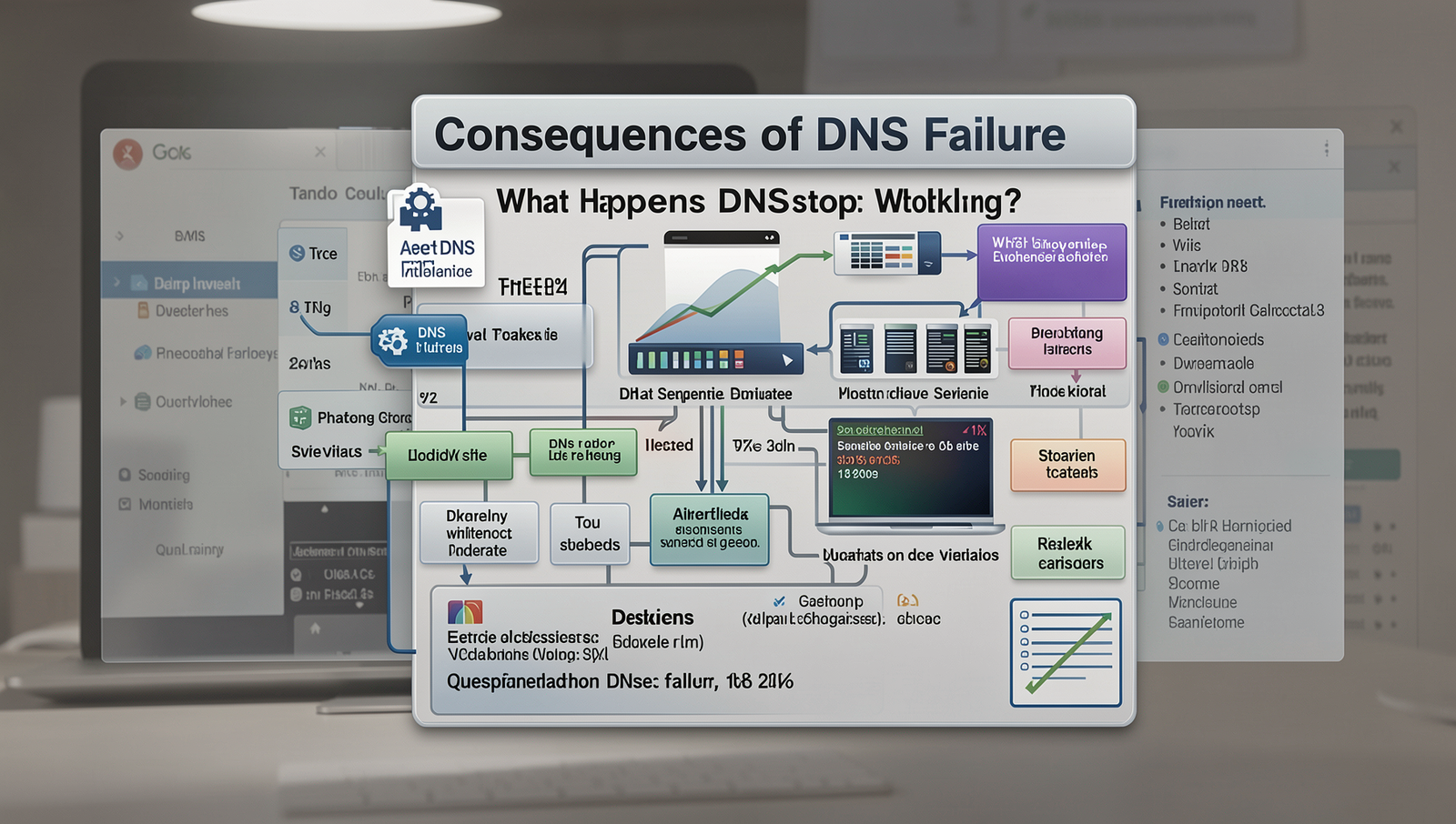
When the Domain Name System (DNS) fails, the consequences can be profound and far-reaching. One of the most immediate impacts is on website accessibility. Users attempting to visit a website may encounter error messages, such as “Server Not Found” or “DNS Lookup Failed.” This can lead to frustration and a poor user experience, as they are unable to access the content they seek. For businesses, this can mean lost traffic and potential revenue, as customers are unable to reach their online platforms.
Additionally, DNS failures can disrupt email services and online applications. Many organizations rely on DNS for routing their email traffic. If the DNS is down, emails may not be delivered, leading to communication breakdowns. Online applications that depend on DNS for functionality, such as cloud services or web-based tools, may also become inaccessible, hindering productivity and collaboration.
For businesses that depend heavily on their online presence, the effects can be devastating. A prolonged DNS outage can result in significant financial losses, damage to brand reputation, and a loss of customer trust. Companies may find themselves scrambling to restore services and communicate with their users, which can further exacerbate the situation.
Moreover, security risks are associated with DNS failures. Cybercriminals can exploit DNS vulnerabilities to launch attacks, such as DNS spoofing or cache poisoning. These attacks can redirect users to malicious sites, leading to data breaches and compromised security. Thus, understanding What Happens When Internet DNS Stops Working is crucial for both individuals and organizations to mitigate risks and ensure continuity of services.
Diagnosing DNS Issues
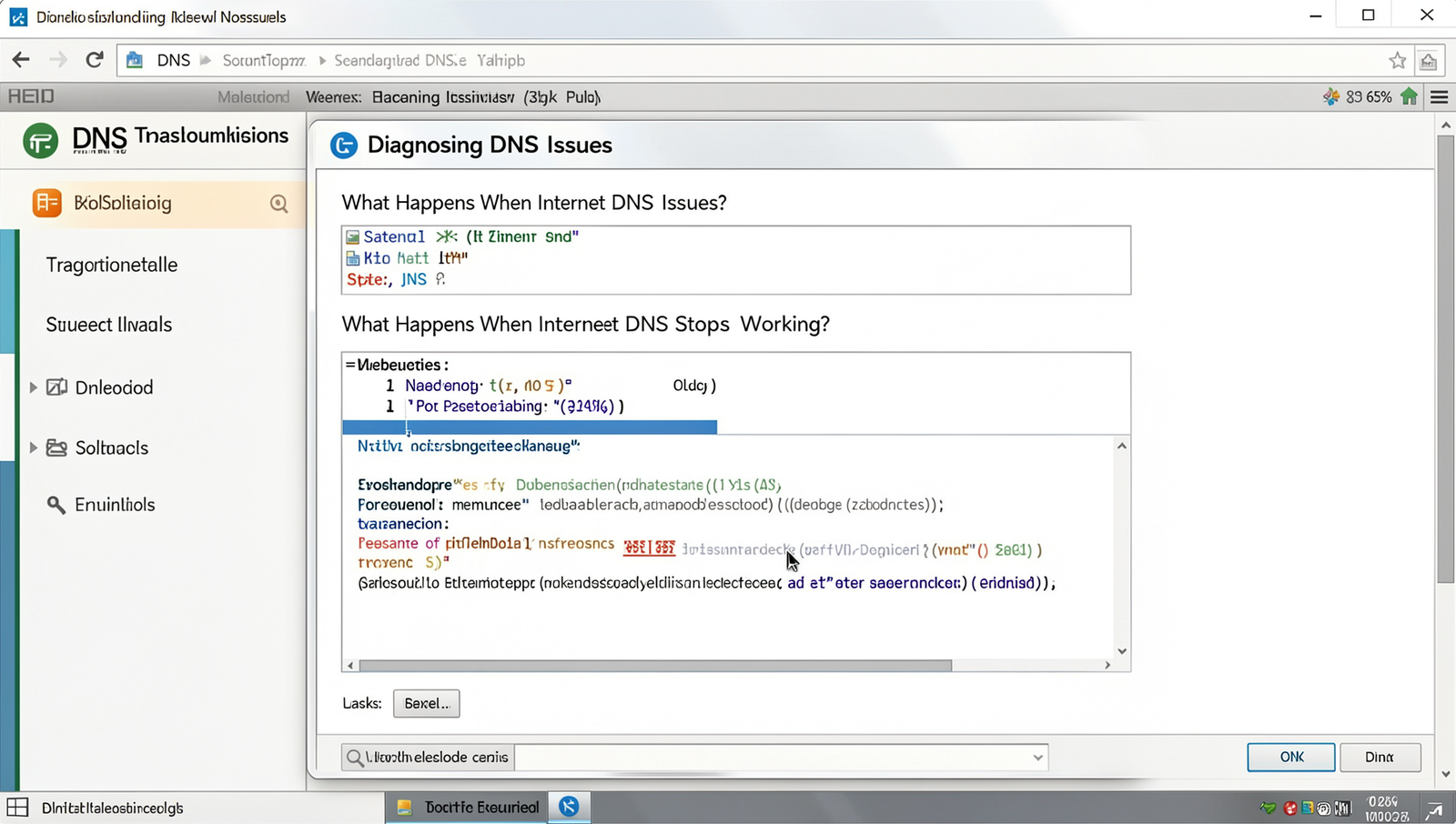
When Internet DNS stops working, it can lead to a variety of frustrating symptoms that can disrupt your online activities. Common symptoms of DNS problems include:
- Websites failing to load or displaying error messages.
- Slow internet connection, particularly when accessing specific sites.
- Inability to access certain services or applications that rely on domain names.
- Frequent timeouts or connection resets when trying to reach websites.
To effectively troubleshoot DNS issues, several tools and techniques can be employed. One of the most straightforward methods is to use the command line to check DNS resolution. The nslookup command can help identify whether a domain name is resolving correctly. For example, you can run:
nslookup example.comThis command will return the IP address associated with the domain, allowing you to verify if the DNS records are accurate. Another useful command is ping, which can help determine if the server is reachable:
ping example.comAdditionally, checking DNS propagation is crucial. You can use online tools like DNS Checker to see if your DNS records have propagated across various servers globally. This can help identify if the issue is localized or widespread.
Understanding DNS caching is also essential. DNS resolvers cache responses to speed up future queries. However, if a DNS record changes, it may take time for the new record to propagate due to these caches. Flushing your local DNS cache can sometimes resolve issues:
ipconfig /flushdnsBy employing these techniques, you can effectively diagnose and address DNS issues, ensuring a smoother internet experience.
Mitigating DNS Failures
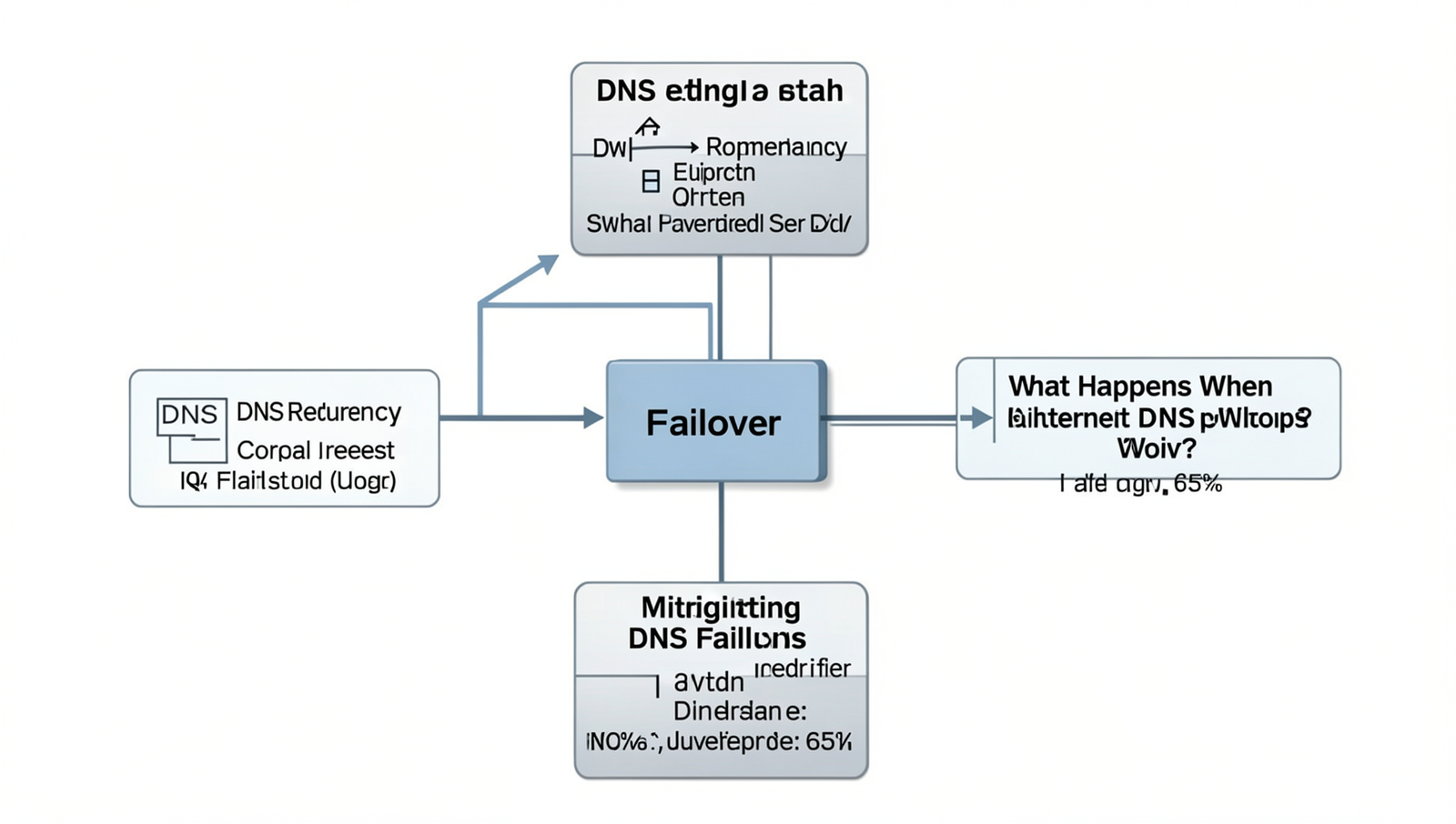
When considering the question, What Happens When Internet DNS Stops Working, it becomes crucial to implement strategies that can mitigate the impact of DNS failures. Organizations can adopt several best practices to ensure their DNS systems remain robust and reliable.
- DNS Redundancy: Implementing multiple DNS servers across different geographic locations can significantly reduce the risk of downtime. By configuring primary and secondary DNS servers, organizations can ensure that if one server fails, another can take over seamlessly.
- Failover Strategies: Utilizing failover mechanisms allows for automatic switching to backup DNS servers in case of a failure. This can be achieved through DNS load balancers or intelligent DNS services that monitor server health.
- Alternative DNS Providers: Relying on alternative DNS providers can enhance reliability. Services like Google Public DNS or Cloudflare DNS offer robust infrastructure and high availability, reducing the likelihood of outages.
In addition to these strategies, implementing DNS monitoring and alerting systems is essential. These systems can track DNS performance and notify administrators of any anomalies or failures. For example, using tools like dnsperf can help assess DNS response times and identify potential issues before they escalate.
Finally, educating users on recognizing and reporting DNS issues is vital. Providing training on how to identify problems, such as slow website loading times or inability to access certain services, empowers users to report issues promptly, allowing for quicker resolutions.
Conclusion
Understanding what happens when Internet DNS stops working is crucial for anyone who relies on the web for daily activities. DNS, or Domain Name System, acts as the phonebook of the Internet, translating user-friendly domain names into IP addresses that computers can understand. When DNS fails, users experience significant disruptions, including the inability to access websites, send emails, or utilize online services. This can lead to frustration and a loss of productivity, particularly for businesses that depend on online operations.
To mitigate the impact of DNS failures, it is essential to implement robust DNS management practices. This includes using redundant DNS servers, monitoring DNS performance, and considering alternative DNS providers. By taking these proactive steps, users can ensure greater reliability and resilience in their Internet connectivity. Ultimately, understanding the implications of DNS issues empowers users to take necessary precautions, ensuring a smoother online experience even in the face of potential disruptions.
Frequently Asked Questions

What is DNS?
DNS, or Domain Name System, is a system that translates human-friendly domain names into IP addresses that computers use to identify each other on the network. It acts like a phone book for the internet, allowing users to access websites using easy-to-remember names.

What happens if DNS fails?
If DNS fails, users will be unable to resolve domain names into IP addresses, leading to an inability to access websites. This can result in error messages indicating that the site cannot be reached, disrupting online activities and services reliant on web access.
How can I access websites without DNS?
Without DNS, you can still access websites by entering their IP addresses directly into your browser’s address bar. However, this method is impractical for most users, as it requires knowing the specific IP addresses of the desired sites.
What are the consequences of DNS outages?
DNS outages can have significant consequences, including loss of access to websites, disruption of online services, and potential financial losses for businesses. Additionally, prolonged outages can lead to decreased user trust and reliance on alternative methods for web navigation.