8 min read • 1,636 words
Table of Contents
ToggleCan Bluetooth Devices Spy on You?
In today’s interconnected world, the convenience of Bluetooth technology is undeniable. However, many users remain unaware of the potential risks associated with these devices. The question “Can Bluetooth Devices Spy on You?” is increasingly relevant as reports of security vulnerabilities and hacking incidents continue to surface. Understanding these risks is crucial for anyone who uses Bluetooth-enabled devices, from smartphones to smart home gadgets.
This article will explore the various ways Bluetooth devices can be compromised, including the potential for eavesdropping on private conversations. We will discuss the specific vulnerabilities of Bluetooth Low Energy (BLE) and the importance of maintaining updated firmware to protect against attacks. Additionally, we will provide practical tips on enhancing your Bluetooth security, such as using strong, unique passcodes for connections. By the end of this article, you will be better equipped to safeguard your privacy in a Bluetooth-enabled world.

Understanding Bluetooth Technology
Bluetooth technology is a wireless communication standard that enables devices to connect and exchange data over short distances. It operates in the 2.4 GHz frequency range and is designed for low power consumption, making it ideal for a variety of portable devices. The basic functionality of Bluetooth involves pairing devices, allowing them to communicate seamlessly without the need for cables. This technology has become ubiquitous in modern life, powering everything from headphones to smart home devices.
There are several types of Bluetooth devices, each serving different purposes. Common examples include:
- Headphones and Earbuds: Wireless audio devices that connect to smartphones or computers for music and calls.
- Smartwatches: Wearable devices that sync with smartphones to provide notifications and health tracking.
- Smart Home Devices: Gadgets like smart bulbs and thermostats that can be controlled remotely.
- Fitness Trackers: Devices that monitor physical activity and health metrics, often syncing data to smartphones.
Bluetooth operates using various protocols that define how devices communicate. The most common protocols include Bluetooth Classic, which is used for high-bandwidth applications, and Bluetooth Low Energy (BLE), which is designed for devices that require minimal power. Security features such as pairing, encryption, and authentication are built into Bluetooth technology to protect users from unauthorized access. However, vulnerabilities can still exist, making it essential for users to be aware of potential risks.
Establishing a Bluetooth connection typically involves a pairing process. This process requires both devices to be in close proximity and often involves entering a PIN or confirming a code. Once paired, devices can maintain a connection as long as they remain within range, allowing for continuous data exchange. Understanding these fundamentals of Bluetooth technology is crucial in addressing concerns about privacy and security, particularly in the context of the question: Can Bluetooth Devices Spy on You?

Potential Security Vulnerabilities
Bluetooth technology has become ubiquitous, allowing seamless connections between devices. However, this convenience comes with potential security vulnerabilities that can be exploited by malicious actors. Understanding these vulnerabilities is crucial to safeguarding your privacy and security.
One of the most common vulnerabilities associated with Bluetooth connections is the lack of proper authentication. Many devices do not require a secure pairing process, allowing unauthorized access. Additionally, Bluetooth connections can be susceptible to eavesdropping, where hackers intercept data transmitted between devices. This can lead to sensitive information being compromised.
- Bluejacking: This involves sending unsolicited messages to Bluetooth-enabled devices, often as a prank, but it can also be used to spread malware.
- Bluesnarfing: This more serious attack allows hackers to access data on a Bluetooth-enabled device without the owner’s consent, potentially stealing contacts, messages, and other sensitive information.
- Bluebugging: In this scenario, attackers gain control over a device, allowing them to make calls, send messages, or access the internet without the user’s knowledge.
Past Bluetooth security breaches highlight the severity of these vulnerabilities. For instance, in 2017, a vulnerability known as “BlueBorne” was discovered, which allowed attackers to take control of devices without any user interaction. This affected billions of devices worldwide, emphasizing the importance of maintaining updated security protocols.
Hackers often exploit Bluetooth vulnerabilities by using specialized tools to scan for devices that are discoverable. Once they identify a target, they can attempt to connect and exploit any weaknesses in the device’s security. Outdated software plays a significant role in increasing these risks, as manufacturers frequently release updates to patch known vulnerabilities. Failing to install these updates can leave devices open to attacks.
In conclusion, while Bluetooth technology offers convenience, it is essential to remain vigilant about its potential security vulnerabilities. Regularly updating software and being cautious about device pairing can help mitigate the risks associated with Bluetooth connections.
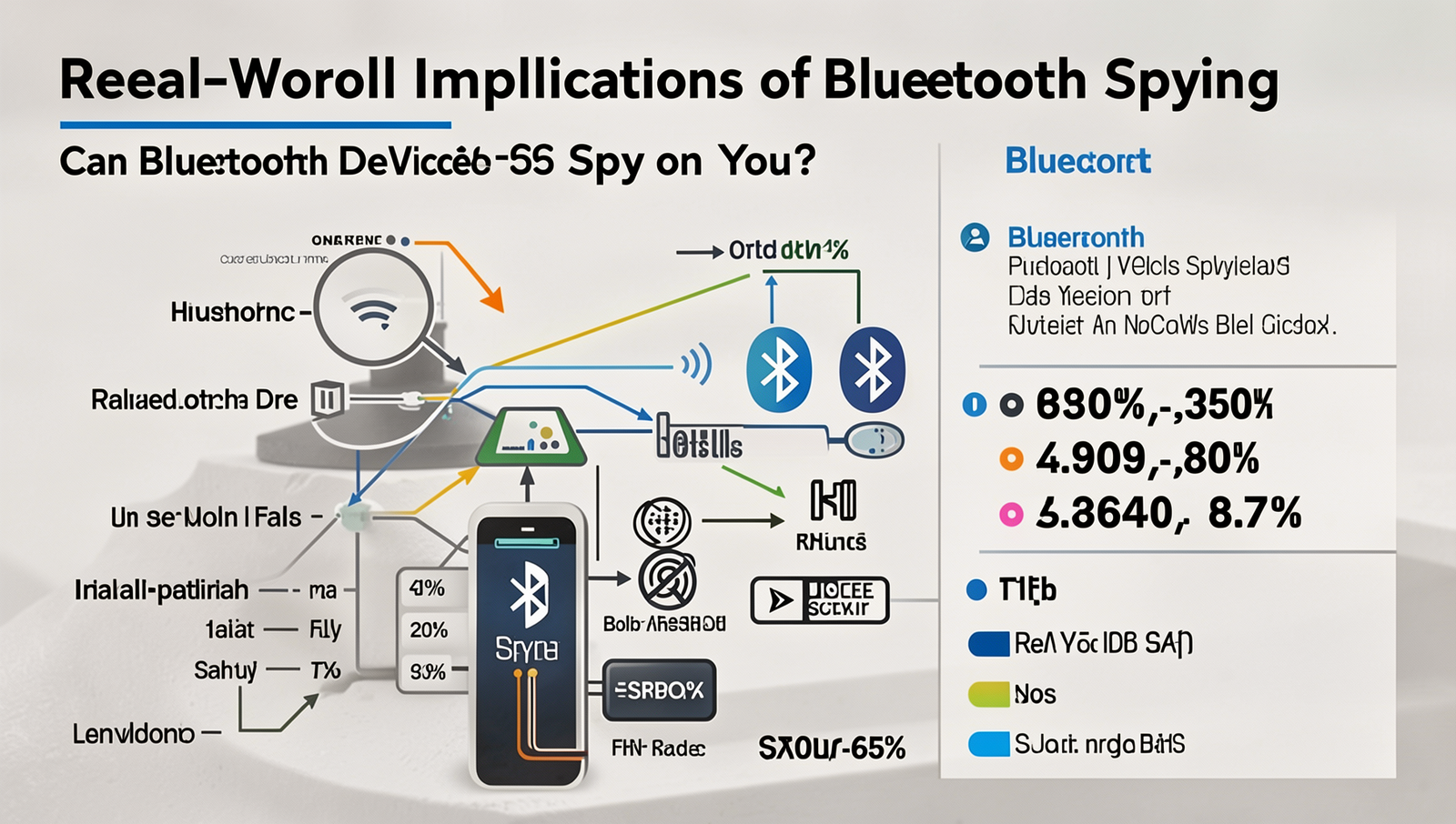
Real-World Implications of Bluetooth Spying
The question “Can Bluetooth Devices Spy on You?” has become increasingly relevant as the use of Bluetooth technology expands. Numerous case studies have emerged highlighting incidents where Bluetooth devices were exploited for unauthorized surveillance. For instance, in 2019, a security researcher demonstrated how a vulnerability in certain Bluetooth-enabled devices allowed hackers to intercept audio streams. This incident raised alarms about the potential for eavesdropping in personal and professional settings.
The impact of Bluetooth spying on personal privacy is profound. Individuals often rely on Bluetooth for convenience, connecting their smartphones to headphones, speakers, and even home security systems. However, this convenience comes with risks. Unauthorized access to these devices can lead to sensitive information being compromised. For example, a hacker could potentially listen in on private conversations or gain access to personal data stored on connected devices.
Legal implications surrounding Bluetooth security are also significant. As technology evolves, so too do the laws governing digital privacy. In many jurisdictions, unauthorized access to Bluetooth devices may violate privacy laws, but enforcement can be challenging. Regulations like the General Data Protection Regulation (GDPR) in Europe emphasize the need for robust security measures, yet many consumers remain unaware of their rights and the protections available to them.
Public awareness and education on Bluetooth risks are crucial in mitigating these threats. Many users do not fully understand the potential vulnerabilities associated with their devices. Educational campaigns can help inform the public about safe Bluetooth practices, such as regularly updating device firmware, disabling Bluetooth when not in use, and being cautious about connecting to unknown devices.
- Stay informed about the latest Bluetooth security updates.
- Regularly review device settings and permissions.
- Educate others about the risks associated with Bluetooth technology.
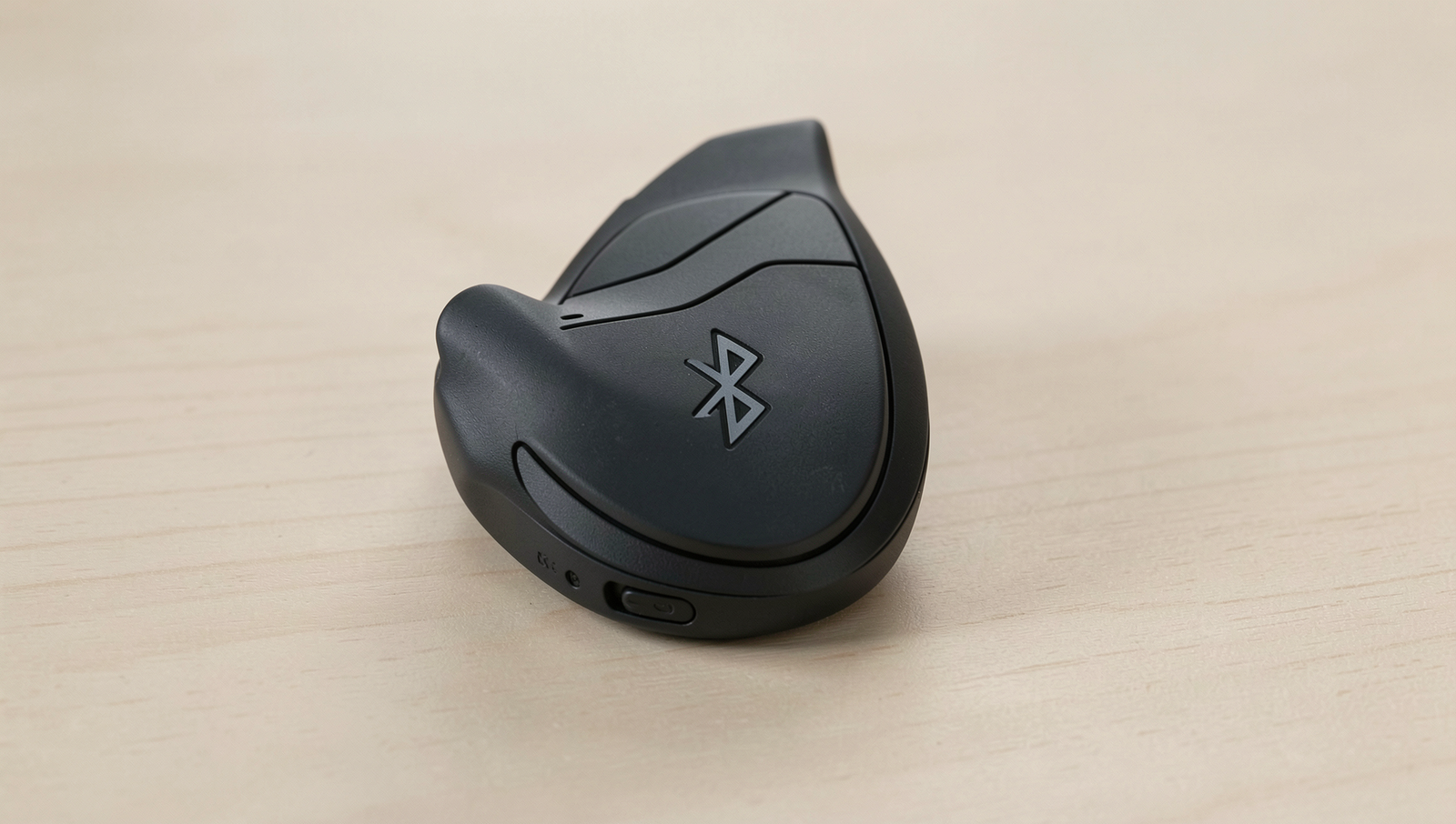
Protecting Yourself from Bluetooth Threats
As Bluetooth technology becomes increasingly integrated into our daily lives, the question arises: Can Bluetooth Devices Spy on You? To mitigate the risks associated with Bluetooth vulnerabilities, it is essential to adopt best practices for securing your devices. Here are some effective strategies to protect yourself:
- Turn Off Bluetooth When Not in Use: One of the simplest ways to prevent unauthorized access is to disable Bluetooth when you are not using it. This reduces the chances of your device being discoverable by potential attackers.
- Use “Hidden” Mode: Many devices offer a hidden mode that makes them less visible to others. Enabling this feature can help keep your device off the radar of potential intruders.
- Be Wary of Unknown Connections: Always verify the identity of devices before pairing. If you receive a pairing request from an unknown device, it is best to decline.
Recognizing and avoiding suspicious Bluetooth connections is crucial. Look out for unusual device names or unexpected pairing requests. If you notice anything out of the ordinary, it’s wise to disconnect immediately and investigate further.
Regular software updates and security patches play a vital role in protecting your Bluetooth devices. Manufacturers frequently release updates to address vulnerabilities. To ensure your devices are secure, enable automatic updates or check for updates manually on a regular basis.
Additionally, there are various tools and apps available that can help you monitor Bluetooth activity. For instance, apps like Bluetooth Scanner can help identify nearby Bluetooth devices and their signal strength, allowing you to detect any unauthorized connections. Another useful tool is Bluetooth LE Explorer, which provides insights into Bluetooth Low Energy devices and their functionalities.
By following these best practices and utilizing available tools, you can significantly reduce the risk of Bluetooth devices spying on you and enhance your overall security.
Conclusion
In summary, the question “Can Bluetooth Devices Spy on You?” highlights significant concerns regarding privacy and security in our increasingly connected world. While Bluetooth technology offers convenience and seamless connectivity, it also presents vulnerabilities that can be exploited by malicious actors. Understanding these risks is crucial for users who rely on Bluetooth devices for everyday tasks. By being aware of potential threats, individuals can take proactive measures to safeguard their personal information.
To mitigate the risks associated with Bluetooth spying, users should regularly update their devices, disable Bluetooth when not in use, and be cautious about pairing with unknown devices. Additionally, employing strong passwords and security settings can further protect against unauthorized access. As technology continues to evolve, staying informed about Bluetooth security practices will empower users to enjoy the benefits of connectivity while minimizing the risks of being spied on.
Frequently Asked Questions
Can Bluetooth devices listen to my conversations?
Bluetooth devices themselves do not have the capability to listen to conversations unless they are specifically designed for that purpose, such as microphones in headsets. However, if compromised, they could potentially be used to eavesdrop on communications.
How can I protect my Bluetooth devices from being hacked?
To protect your Bluetooth devices, ensure they are updated regularly with the latest firmware. Use strong, unique passwords, and disable Bluetooth when not in use. Additionally, set your devices to “non-discoverable” mode to limit visibility to potential attackers.
What types of Bluetooth devices are most vulnerable to spying?
Devices with outdated