8 min read • 1,630 words
Table of Contents
ToggleCan Your Phone Work Without GPS?
In an increasingly connected world, the reliance on GPS technology has become a common expectation for smartphone users. However, many may wonder, Can Your Phone Work Without GPS? The answer is a resounding yes. While GPS provides precise location tracking, smartphones are equipped with various technologies that enable them to function effectively even in the absence of GPS signals. This article will explore the alternative methods that phones utilize for location services, highlighting the importance of understanding these capabilities.
Readers will learn how Wi-Fi and cellular networks can provide location data, allowing apps to operate seamlessly without GPS. Additionally, we will discuss how Bluetooth technology can aid in tracking through beacons, and how inertial sensors can estimate location. Furthermore, we will touch on how emergency services can locate phones using cell tower triangulation, ensuring that users remain connected and safe, regardless of GPS availability.
Understanding GPS and Its Functionality
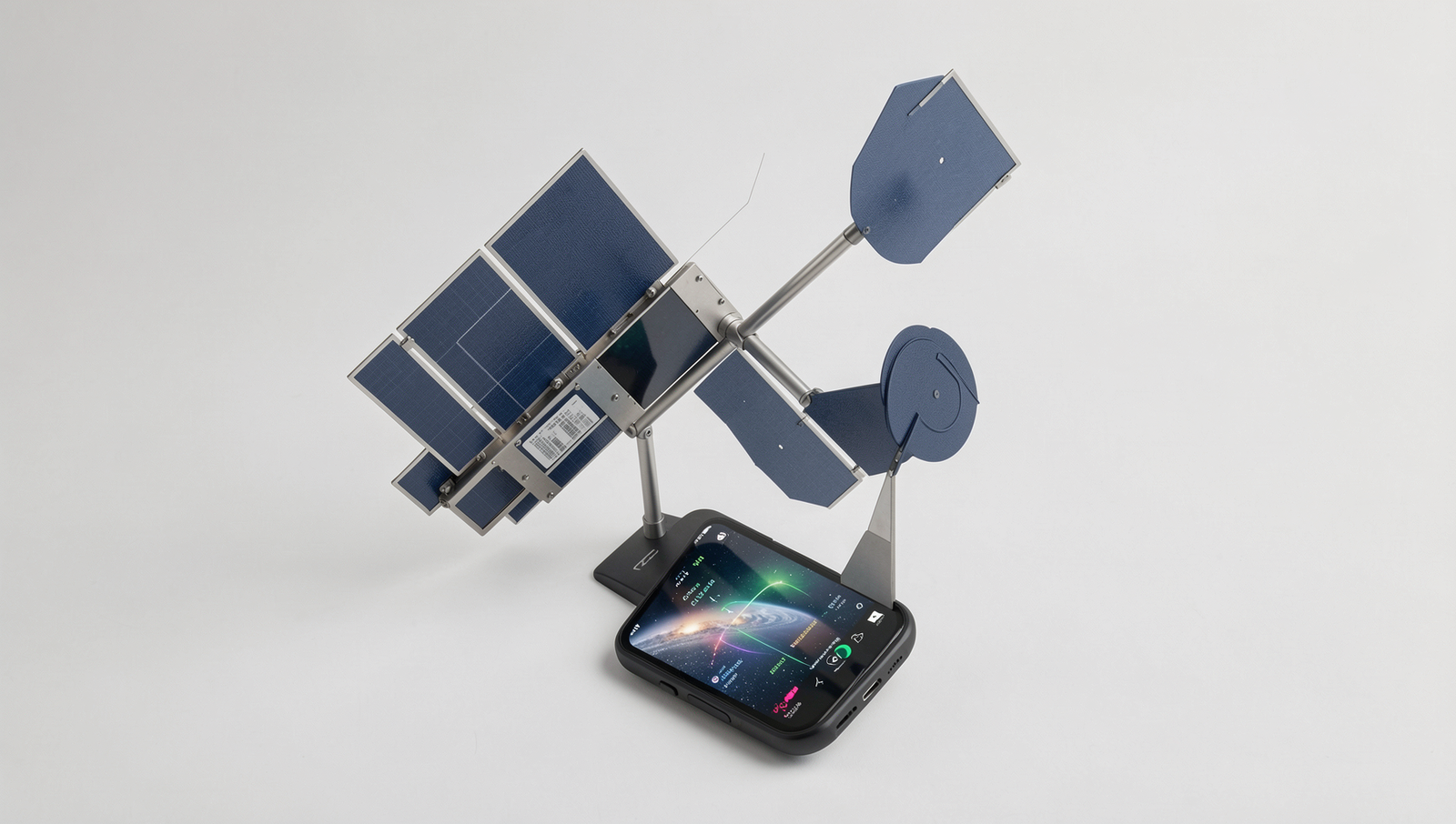
Global Positioning System (GPS) is a satellite-based navigation system that allows users to determine their exact location anywhere on Earth. It operates through a network of satellites that transmit signals to GPS receivers, which then calculate the user’s position based on the time it takes for the signals to arrive. This technology relies on a minimum of four satellites to provide accurate location data, enabling users to pinpoint their location within a few meters.
The importance of GPS in mobile devices cannot be overstated. Most smartphones today come equipped with GPS functionality, allowing users to access location-based services seamlessly. This has transformed how we navigate, communicate, and interact with our environment. GPS plays a crucial role in various applications, including:
- Navigation apps like Google Maps and Waze, which provide real-time directions.
- Ride-sharing services such as Uber and Lyft, which connect drivers and passengers based on location.
- Fitness tracking apps that monitor running or cycling routes.
- Emergency services that can locate individuals in distress.
In everyday life, GPS technology is utilized in numerous ways. For instance, when you order food through a delivery app, GPS helps the driver find your location. Similarly, when traveling to a new city, GPS can guide you to tourist attractions, restaurants, and hotels, enhancing your overall experience.
However, GPS technology does have its limitations. It can be affected by various factors, including:
- Signal obstruction from tall buildings or dense forests.
- Atmospheric conditions that can delay signal transmission.
- Device compatibility issues, as not all devices support GPS.
In conclusion, while GPS is a vital tool for modern smartphones, understanding its functionality and limitations is essential for users to navigate effectively and utilize location-based services efficiently.
Alternative Location Services
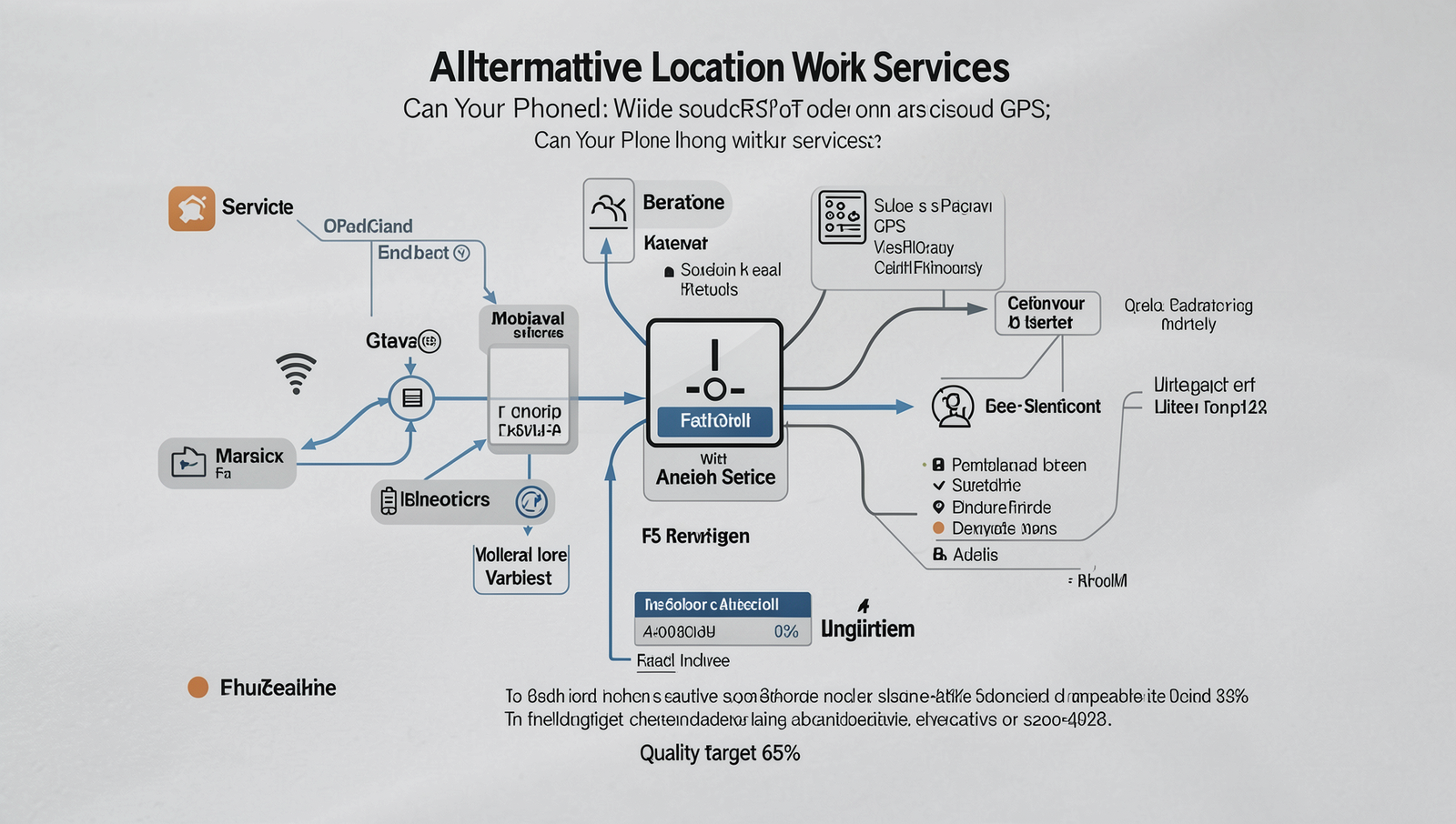
While GPS is a widely used technology for location tracking, there are several alternative methods that can effectively determine your phone’s location without relying on satellite signals. These methods include Wi-Fi positioning, cell tower triangulation, and Bluetooth beacons, each offering unique advantages and varying degrees of accuracy.
Wi-Fi positioning utilizes the signals from nearby Wi-Fi networks to estimate a device’s location. When your phone connects to a Wi-Fi network, it can measure the strength of the signals from multiple access points. By comparing these signals to a database of known Wi-Fi network locations, your phone can triangulate its position. This method is particularly effective in urban areas where Wi-Fi networks are densely packed, allowing for accurate location tracking even indoors.
- Advantages of Wi-Fi Positioning: Works indoors, high accuracy in urban settings.
- Limitations: Requires access to Wi-Fi networks, less effective in rural areas.
Cell tower triangulation is another alternative that relies on the signals from nearby cell towers. Your phone communicates with multiple towers, and by measuring the time it takes for signals to travel between your device and these towers, it can estimate its location. This method is less accurate than GPS but can still provide a general location, especially in areas with good cellular coverage.
- Advantages of Cell Tower Triangulation: Works without Wi-Fi, useful in remote areas.
- Limitations: Lower accuracy compared to GPS, dependent on tower density.
Bluetooth beacons are small devices that transmit signals to nearby smartphones. When a phone detects a beacon, it can determine its proximity to that beacon, allowing for precise location tracking within a limited range. This technology is commonly used in retail environments for location-based marketing and navigation within large venues.
In terms of accuracy, GPS typically outperforms these alternatives, offering pinpoint location data. However, in scenarios where GPS is unavailable, such as indoors or in dense urban areas, these alternative methods can provide valuable location information, demonstrating that your phone can indeed work without GPS.
Practical Scenarios and Tips
While GPS technology has become an integral part of our daily lives, there are scenarios where it may not be available or reliable. For instance, in densely populated urban areas, tall buildings can obstruct satellite signals, leading to inaccurate location tracking. Additionally, in remote areas or during natural disasters, GPS signals may be weak or entirely unavailable. Understanding how to navigate without GPS can be crucial in these situations.
Here are some tips for navigating without GPS:
- Use Offline Maps: Download maps in advance using applications that allow offline access. This way, you can refer to them even when you have no signal.
- Landmarks and Natural Features: Familiarize yourself with the area by identifying landmarks, rivers, or mountains that can guide your way.
- Ask Locals: When lost, don’t hesitate to ask locals for directions. They often have valuable insights about the best routes.
- Compass and Traditional Navigation: Carry a compass and learn basic navigation skills. Understanding how to read a map can be invaluable.
In emergency situations, having alternative methods for navigation is essential. For example, during a power outage or when your phone battery is low, a physical map can be a lifesaver. Additionally, using a whistle or signal mirror can help attract attention if you are lost and need assistance.
Looking ahead, the future of location services without GPS may involve advancements in technologies such as Wi-Fi triangulation, Bluetooth beacons, and even augmented reality. These methods could provide more reliable location services, especially in urban environments where GPS struggles. As technology evolves, we may find ourselves relying less on traditional GPS systems and more on innovative solutions for navigation.
Conclusion
In summary, while GPS technology significantly enhances the functionality of smartphones, it is not the sole means of navigation or location tracking. Your phone can indeed work without GPS by utilizing alternative methods such as Wi-Fi positioning, cellular triangulation, and even offline maps. These methods can provide reasonable accuracy for various applications, making it possible to navigate and access location-based services without relying on GPS signals. Understanding these alternatives can be particularly beneficial in areas with poor GPS reception or for users concerned about privacy.
As you explore the capabilities of your phone without GPS, consider downloading offline maps and familiarizing yourself with apps that utilize Wi-Fi and cellular data for location services. This knowledge empowers you to make the most of your device in diverse situations. Ultimately, while GPS is a valuable tool, being aware of other options ensures that your phone remains functional and effective, regardless of GPS availability. Can Your Phone Work Without GPS? The answer is a resounding yes.
Real-World Examples
When considering the question, Can Your Phone Work Without GPS?, it’s essential to explore real-world scenarios that illustrate how smartphones can function effectively without a GPS signal. Many users might not realize that their devices are equipped with various technologies that can still provide location-based services, even in the absence of GPS.
One practical example is using Wi-Fi positioning. In urban areas, smartphones can determine their location through nearby Wi-Fi networks. When a device connects to a Wi-Fi network, it can analyze the signal strength from multiple access points to triangulate its position. This method is particularly useful in places where GPS signals are weak or obstructed, such as indoors or in densely populated areas. For instance, a coffee shop might use this technology to offer location-based promotions to customers who are connected to their Wi-Fi.
Another example is the use of cellular network triangulation. Mobile phones can communicate with nearby cell towers to estimate their location. This method is less precise than GPS but can still provide a general idea of where a user is located. For example, if someone is traveling through a rural area without a clear GPS signal, their phone can still determine their approximate location based on the nearest cell towers.
Additionally, many applications can function without GPS by utilizing user input. For example, fitness apps often allow users to manually enter their starting point and track their progress based on distance and time, rather than relying on GPS for real-time tracking. This can be particularly useful for runners or cyclists who are familiar with their routes and do not need constant GPS updates.
In summary, while GPS is a valuable tool for navigation and location services, there are numerous ways that smartphones can still operate effectively without it. From Wi-Fi positioning to cellular triangulation and user input, these alternatives ensure that users can still access important location-based functionalities even in the absence of a GPS signal.
Frequently Asked Questions
Can my phone work without GPS?
Yes, your phone can function without GPS. While GPS provides precise location tracking, many phone features, such as calling, texting, and using apps, can still operate using Wi-Fi, cellular networks, and other technologies to determine your approximate location.
What features rely on GPS?
GPS is essential for features like navigation apps, location-based services, and geotagging photos. These functionalities depend on accurate location data to provide directions, recommend nearby