8 min read • 1,606 words
Table of Contents
ToggleCan Your Router Track Your Browsing?
In today’s digital age, privacy concerns are more prevalent than ever, leading many to question, “Can your router track your browsing?” This inquiry is crucial for anyone who values their online privacy and wants to understand how their internet activity might be monitored. Most home routers come equipped with a logging feature that can track the websites visited by users. This capability raises significant concerns about who can access this information and how it might be used.
Throughout this article, readers will learn about the implications of router logging, including how Internet Service Providers (ISPs) can access these logs to monitor user activity. Additionally, we will explore options like using a VPN to safeguard your browsing history and discuss privacy settings available on some routers that can limit tracking capabilities. Understanding these aspects is essential for anyone looking to enhance their online privacy.

Understanding Router Functionality
Routers play a crucial role in connecting devices to the internet and managing data traffic within a network. They serve as the central hub that directs data packets between your devices and the internet, ensuring that information flows smoothly and efficiently. This functionality is essential for maintaining a stable and fast internet connection, whether you are streaming videos, browsing websites, or engaging in online gaming.
In addition to connecting devices, routers have the capability to log various types of data. They can record connection times, IP addresses, and data usage for each connected device. This logging can provide valuable insights into network performance and user behavior. For instance, if you notice slow internet speeds, reviewing the logs can help identify which devices are consuming the most bandwidth.
Most modern routers come equipped with built-in software designed for monitoring and managing network activity. This software often includes features such as:
- Traffic analysis to understand data flow.
- Parental controls to restrict access to certain websites.
- Device management to prioritize bandwidth for specific devices.
- Security settings to protect against unauthorized access.
Advanced routers may also offer additional functionalities, such as the ability to track browsing history. This capability raises questions about privacy and data security. While routers can log certain information, the extent of tracking depends on the router’s configuration and the user’s settings. Therefore, it is essential to understand how your router operates and what data it may collect.
Types of Data Routers Can Track
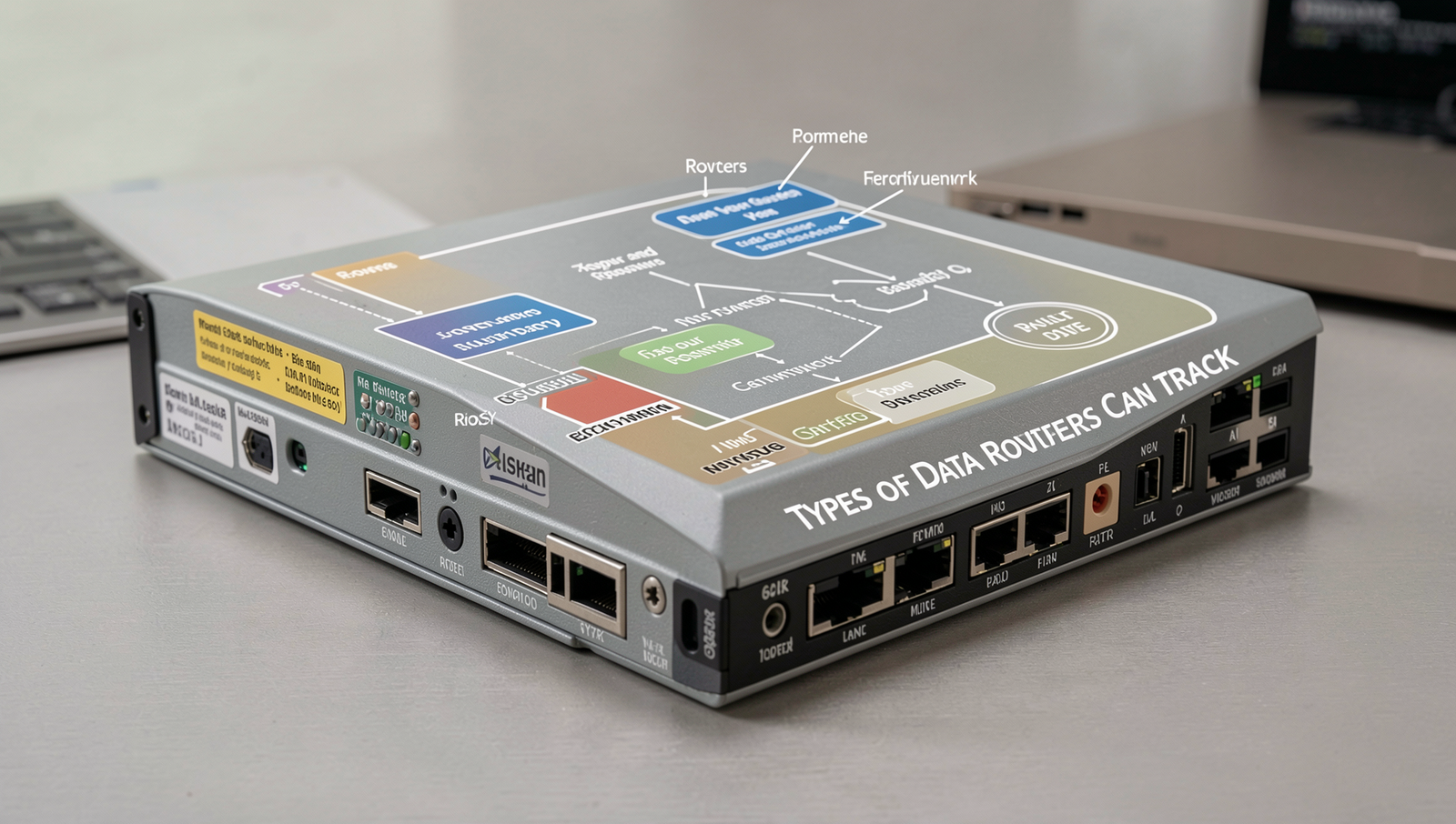
When considering the question, Can Your Router Track Your Browsing?, it is essential to understand the various types of data that routers can monitor. Routers serve as the gateway between your devices and the internet, and in doing so, they can log a variety of information regarding your online activities.
One of the primary types of data that routers can track is the IP addresses of connected devices. Each device on a network is assigned a unique IP address, which can be logged by the router. This information can help identify which devices are accessing the internet and when they are doing so.
Additionally, routers may track websites visited through DNS requests. When you enter a website URL, your device sends a DNS request to translate that URL into an IP address. This process can be logged by the router, allowing it to maintain a record of the websites you visit.
Some advanced routers have the capability to capture metadata about data packets. This metadata can include information such as the size of the packets, the time they were sent, and the destination IP addresses. While this data does not contain the actual content of your communications, it can still provide insights into your browsing habits.
Furthermore, traffic analysis can reveal patterns in browsing behavior. By examining the data collected over time, routers can identify trends, such as peak usage times or frequently visited websites. This information can be valuable for network administrators looking to optimize performance or for individuals concerned about privacy.
- Logging IP addresses of devices
- Tracking DNS requests for visited websites
- Capturing metadata about data packets
- Analyzing traffic patterns for browsing behavior
Privacy Implications of Router Tracking
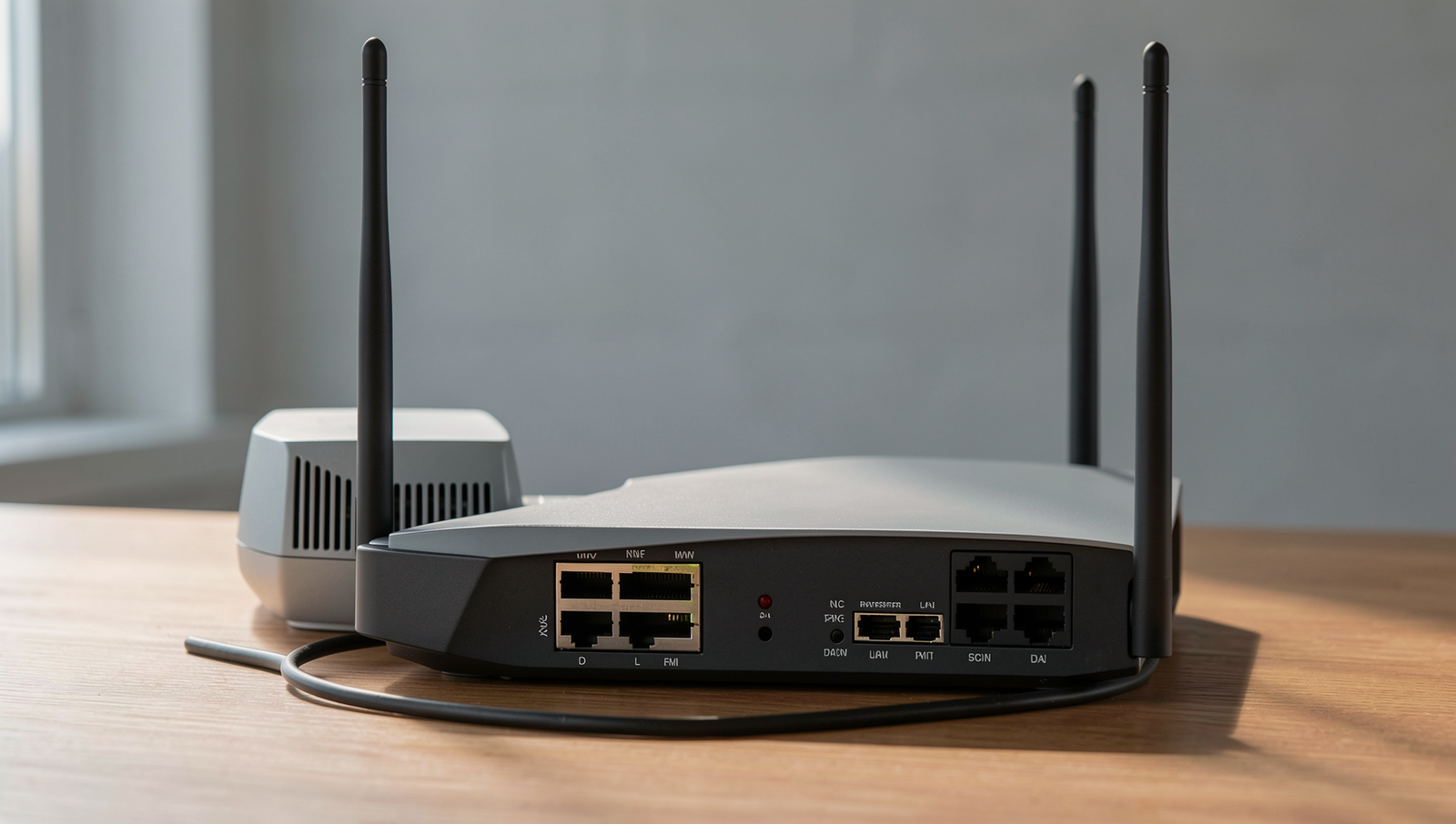
The question “Can Your Router Track Your Browsing?” raises significant concerns about privacy and data security. Routers, which serve as the gateway to the internet for many households, maintain logs of all the devices connected to them and the websites visited. This data can potentially be accessed by unauthorized users, leading to serious privacy breaches.
One of the primary risks is that router logs can be compromised. If a router is not secured properly, hackers can gain access to these logs and monitor users’ online activities. This can include sensitive information such as login credentials, personal messages, and browsing habits. Therefore, it is crucial for users to implement strong security measures, such as changing default passwords and enabling encryption protocols.
Moreover, Internet Service Providers (ISPs) may utilize router data for marketing purposes. They can analyze browsing patterns to create targeted advertisements, which raises ethical questions about consent and user awareness. Many users may not realize that their internet activities are being tracked and used for commercial gain.
- Unauthorized access to router logs can lead to identity theft.
- ISPs may sell aggregated data to third parties without user consent.
- Legal regulations, such as GDPR, impact how data is stored and shared.
Additionally, legal regulations may dictate how ISPs and routers handle user data. For instance, certain laws require ISPs to maintain user privacy and limit data retention. However, compliance can vary widely, and users may not be fully aware of their rights regarding data privacy.
In conclusion, understanding the privacy implications of router tracking is essential for safeguarding personal information in an increasingly digital world.

Mitigating Router Tracking
To address the concerns surrounding the question, Can Your Router Track Your Browsing?, there are several effective strategies that users can implement to enhance their privacy and security while online. By taking proactive measures, individuals can significantly reduce the risk of their browsing activities being monitored by their routers or other entities.
One of the most effective ways to protect your browsing data is by using a Virtual Private Network (VPN). A VPN encrypts your internet traffic, making it nearly impossible for your router or any third parties to track your online activities. When selecting a VPN, look for reputable providers that offer strong encryption protocols and a no-logs policy.
In addition to using a VPN, consider changing your router settings to limit its logging features. Most routers have options that allow you to disable or minimize logging. This can help reduce the amount of data your router collects about your browsing habits. To access your router settings, you typically need to enter its IP address into a web browser and log in with your admin credentials.
Another important step is to regularly update your router firmware. Manufacturers often release updates that include security improvements and bug fixes. Keeping your firmware up to date can help protect against vulnerabilities that could be exploited by malicious actors. To check for updates, log in to your router’s admin panel and look for a firmware update option.
Finally, educating users about safe browsing practices is essential. Encourage family members or colleagues to avoid clicking on suspicious links, using strong passwords, and being cautious about sharing personal information online. By fostering a culture of awareness and vigilance, you can further mitigate the risks associated with router tracking.
Conclusion
In summary, the question “Can Your Router Track Your Browsing?” reveals the intricate relationship between your home network and online privacy. Routers can indeed log various types of data, including websites visited, devices connected, and the duration of each session. This capability can be beneficial for monitoring network usage, ensuring security, and managing bandwidth. However, it also raises concerns about privacy, as this information can potentially be accessed by unauthorized users or even shared with third parties.
To safeguard your online activities, consider implementing measures such as changing your router’s default settings, using a Virtual Private Network (VPN), or opting for privacy-focused DNS services. By taking these steps, you can enhance your online security while still enjoying the benefits of a connected home. Understanding the tracking capabilities of your router empowers you to make informed decisions about your digital footprint and privacy in an increasingly connected world.
Frequently Asked Questions
Can my router track my browsing history?
Yes, your router can track your browsing history. It records the websites you visit and the data transmitted over your network. This information can be accessed by anyone with administrative access to the router, including your Internet Service Provider.
How does a router track browsing?
A router tracks browsing by logging the IP addresses of the websites you visit. It captures this data in its internal memory, which can include timestamps and the duration of your visits. This information is often used for network management and troubleshooting.
Can I prevent my router from tracking me?
You can take steps to minimize tracking, such as using a Virtual Private Network (VPN) or browsing in incognito mode. However, these methods may not completely eliminate tracking by the router or your ISP, so understanding the limitations is essential.
Is my browsing history stored permanently?
Most routers do not store browsing history permanently. The logs are typically kept for a limited time, depending on the router’s settings and storage capacity. However, your Internet Service Provider may retain records of your activity for longer periods.